Can Coconut Water Really Dissolve Kidney Stones? Experts Explain the Facts
Coconut water is praised for hydration and mineral content, but experts say its benefits for kidney stones, diabetes control and hangover recovery require more scientific evidence.

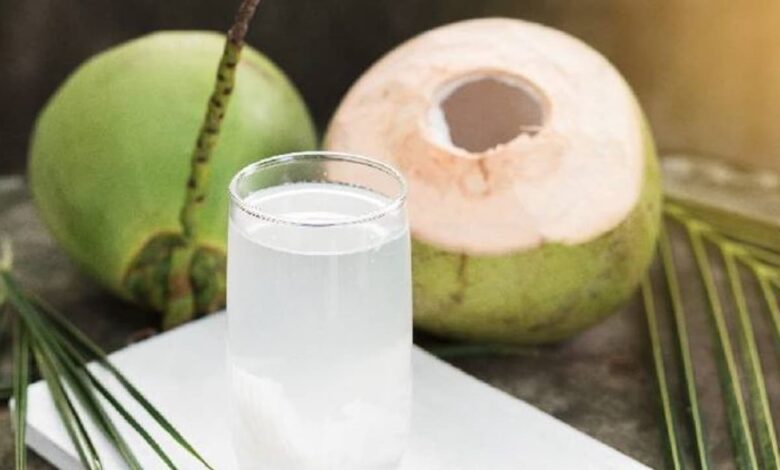
Coconut water has long enjoyed a healthy reputation among people looking for a natural way to stay refreshed and hydrated. Many believe it can cool the body, improve energy levels, help control blood sugar, ease hangovers and even reduce kidney stones. While some of these claims have scientific support, health experts say others still need more research before firm conclusions can be drawn.
One reason coconut water remains popular is its impressive nutritional profile. According to nutrition specialists, it contains important electrolytes and minerals such as potassium, magnesium, calcium and sodium. These nutrients play a crucial role in maintaining muscle function, bone health, hydration and overall body balance. Coconut water is also naturally low in fat and contains a modest amount of carbohydrates and natural sugars.
Researchers have found that coconut water contains antioxidants that help protect the body’s cells from damage caused by free radicals. These compounds may contribute to better overall health and support normal bodily functions. Some studies have also suggested that certain nutrients in coconut water may benefit liver health by helping the body manage oxidative stress.
The belief that coconut water can help with kidney stones has attracted significant attention in recent years. Medical experts explain that proper hydration is one of the most important factors in preventing kidney stone formation. Kidney stones often develop when minerals and compounds such as calcium and oxalate crystallize inside the urinary system. Some studies suggest that coconut water may help reduce the formation of these crystals and decrease their ability to stick to the kidneys and urinary tract. However, experts caution that coconut water should not be viewed as a guaranteed treatment that dissolves existing stones. More human studies are needed to fully understand its effectiveness.


Another area of interest is diabetes management. Research conducted on animals has shown promising results, with some studies indicating improvements in insulin activity and blood sugar regulation. Coconut water contains magnesium, a mineral that is known to support healthy glucose metabolism. While these findings are encouraging, medical professionals emphasize that evidence from human studies remains limited. People with diabetes or prediabetes should consult healthcare professionals before making coconut water a regular part of their treatment plan.
Athletes and fitness enthusiasts often turn to coconut water as a natural sports drink. Because it contains electrolytes and carbohydrates, it can help replenish fluids lost through sweating. Some research has suggested that consuming coconut water before or after exercise may improve hydration levels in a way similar to certain commercial sports drinks. This has made it a popular choice among individuals seeking a more natural alternative for post workout recovery.
Coconut water is also frequently recommended as a remedy for hangovers. Alcohol consumption often leads to dehydration and electrolyte imbalance, causing symptoms such as headaches, fatigue and nausea. The potassium and electrolytes present in coconut water can help restore hydration more quickly. Experts note that while coconut water may ease some discomfort associated with dehydration, there is not enough scientific evidence to claim that it can completely cure a hangover. Its primary benefit lies in helping the body recover lost fluids and minerals.
Health specialists also point out that coconut water contains an amino acid called L arginine, which plays a role in protein production and various metabolic processes. Combined with its mineral content, this makes coconut water a nutritious beverage option for many people looking to support their daily wellness.
Despite its health benefits, coconut water is not suitable for everyone in large quantities. Individuals with kidney disease or those who need to limit potassium intake should be cautious. Excess potassium can be problematic for people whose kidneys are unable to remove it efficiently. Similarly, those managing blood sugar conditions should seek medical advice before consuming it regularly.
Experts agree that coconut water can be a refreshing and nutrient rich beverage that supports hydration and overall wellness. However, claims about instantly curing hangovers, dissolving kidney stones or significantly controlling diabetes should be viewed with caution until stronger scientific evidence becomes available. For most healthy individuals, coconut water can be enjoyed as part of a balanced diet, but it should not replace medical treatment or professional healthcare advice.