The Rs 2 Kitchen Fertilizer That Can Help Jasmine Plants Bloom Profusely
Garden enthusiasts are turning to simple kitchen ingredients and natural plant care methods to encourage healthier jasmine plants producing more buds larger flowers and stronger growth.

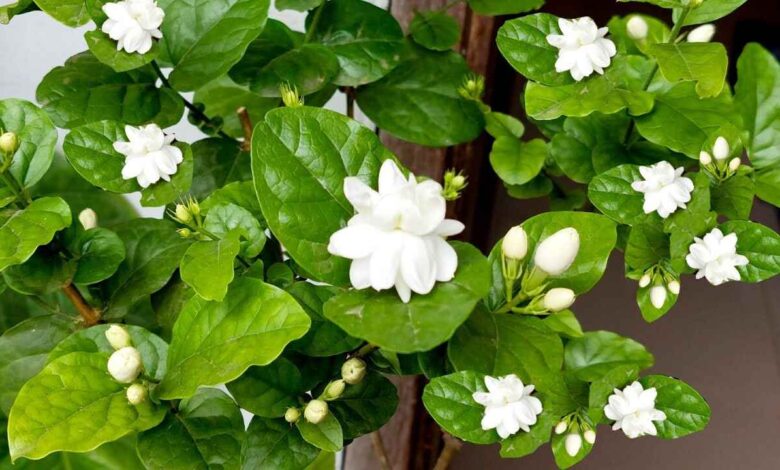
For many home gardeners, few things are as rewarding as seeing a jasmine plant covered in fresh white blossoms. The fragrance of blooming jasmine can instantly transform a garden and create a calming atmosphere after a long and busy day. However, many plant lovers often struggle with a common problem. Their jasmine plants remain healthy but produce very few flowers, while some buds fall off before they fully bloom.
Experienced gardeners say that encouraging abundant flowering does not always require expensive fertilizers or chemical products. In fact, several simple household ingredients and basic plant care techniques can make a noticeable difference in the growth and flowering of jasmine plants.
One of the most talked about natural solutions is the use of coffee powder as a homemade liquid fertilizer. A small quantity of coffee mixed with water can be used as a nutrient boost for jasmine plants. Gardening enthusiasts believe this mixture provides useful nutrients and helps create conditions that support healthier plant growth and increased bud formation.
Before applying any liquid fertilizer, experts recommend loosening the top layer of soil around the plant. This simple step allows nutrients and moisture to reach the roots more effectively. Applying the diluted coffee mixture once a week is often considered sufficient for regular nourishment.


Proper planting conditions also play a crucial role in flowering. Jasmine plants generally perform better when grown in adequately sized pots that allow roots to expand comfortably. A soil mix containing garden soil, coco peat, compost and organic manure can help create a healthy growing environment. Some gardeners also add neem cake to reduce the risk of pests affecting the root system.
Regular pruning is another important factor often overlooked by beginners. Light trimming of branch tips encourages the development of new shoots and helps the plant become bushier. A fuller plant typically produces more flowering points, increasing the chances of abundant blooms during the season.
Removing older leaves can also support healthier growth. When excessive foliage develops, the plant may focus more energy on leaf production rather than flower formation. Gardeners often use removed leaves as mulch around the base of the plant. This helps retain moisture during hot weather and gradually enriches the soil as the leaves decompose.
Summer care is equally important for jasmine plants. Consistent watering helps maintain the moisture levels needed for steady growth. During hotter months, many gardeners prefer watering the plant twice a day to prevent stress caused by excessive heat.
Plant experts also suggest rotating natural fertilizers instead of relying on a single nutrient source. Homemade preparations made from banana peels, aloe vera and other organic ingredients can be used at different intervals to provide a broader range of nutrients for the plant.
Sunlight remains one of the most critical requirements for successful flowering. Jasmine plants generally need at least six hours of direct sunlight every day. The more suitable sunlight they receive, the greater the likelihood of producing healthy buds and fragrant flowers.
For gardening enthusiasts, the joy of picking fresh jasmine flowers grown at home often outweighs the effort involved in plant care. With consistent maintenance, proper sunlight, regular pruning and simple kitchen based fertilizers, even a modest jasmine plant can reward its owner with an impressive display of blooms throughout the season.