How To Choose The Right Moisturiser For Your Skin Type Without Damaging Your Skin
Using the wrong moisturiser can trigger acne dryness and irritation while the right formula helps maintain healthy glowing skin according to dermatologists and skincare experts worldwide today.

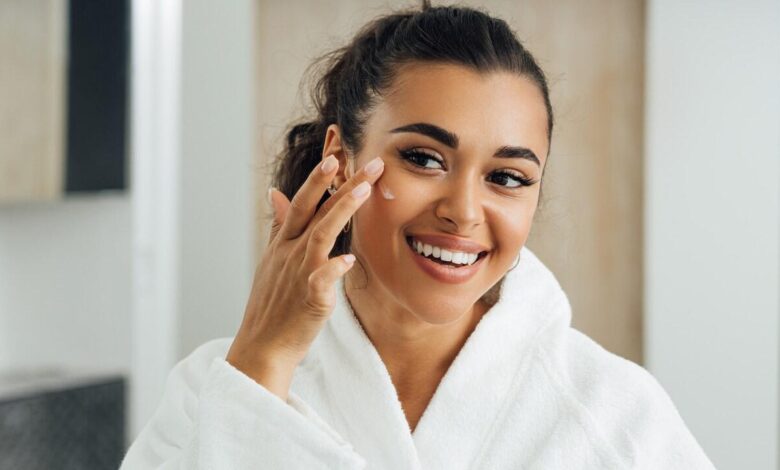
Moisturiser has become one of the most important products in modern skincare routines as more people are paying attention to maintaining healthy and glowing skin. However, skincare experts warn that using just any moisturiser without understanding your skin type can lead to multiple skin problems including acne, excess oiliness, dryness and irritation. Dermatologists say choosing the correct product according to individual skin needs is the key to long term skin health.
Many people believe moisturiser is only necessary for dry skin, but experts explain that every skin type needs proper hydration. Without enough moisture, the skin barrier becomes weak and vulnerable to damage from pollution, weather changes and harmful chemicals. A good moisturiser helps lock in hydration, keeps the skin soft and may also slow down early signs of ageing.
People with oily skin often avoid moisturisers because they fear their face will become even greasier. Skincare specialists say this is a common mistake. When oily skin lacks hydration, it may actually produce more oil to compensate. Experts recommend lightweight gel based or water based moisturisers for oily skin. Products labelled non comedogenic are considered safer because they do not clog pores easily. Ingredients like salicylic acid may also help reduce acne and breakouts.
Dry skin requires richer and more nourishing formulas. If the skin feels rough, flaky or stretched after washing the face, dermatologists suggest choosing cream based moisturisers containing ingredients such as hyaluronic acid, glycerin, shea butter or ceramides. These ingredients help restore deep hydration and keep the skin soft throughout the day. Heavy moisturisers are especially useful during colder weather when dryness becomes more severe.


Combination skin can be slightly difficult to manage because some areas of the face remain oily while others feel dry. Usually the forehead, nose and chin become oily while the cheeks stay dry. Experts recommend medium weight or oil free lotions for this skin type. Some people may even benefit from applying a gel moisturiser on oily areas and a cream based product on dry patches.
Sensitive skin needs extra care because harsh ingredients can quickly cause redness, itching or irritation. Dermatologists advise choosing fragrance free and paraben free moisturisers with mild formulations. Products containing natural soothing ingredients like aloe vera and chamomile are often preferred for sensitive skin as they help calm irritation without damaging the skin barrier.
Skincare professionals also stress that applying moisturiser correctly is equally important. The best time to use it is immediately after washing the face while the skin is still slightly damp. This helps seal in moisture more effectively and keeps the skin hydrated for longer hours.
With thousands of skincare products available in the market, experts say understanding your own skin type before purchasing a moisturiser can prevent unnecessary skin damage and improve overall skin health. Choosing the right formula not only keeps the face fresh and glowing but also supports healthier skin in the long run.