Choosing the Right Water Bottle Can Protect Your Health More Than You Think
Health experts say the material of your water bottle can affect hydration digestion immunity and even environmental safety making the right daily choice more important than most people realize

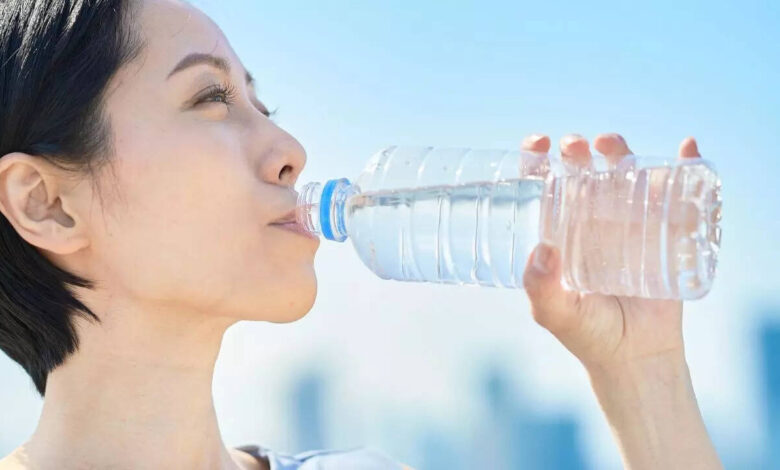
Most people never think twice about the bottle they use for drinking water. Whether at home, office, school or gym, people usually grab the nearest bottle without considering how its material may affect health and the environment. However, experts now say that the type of water bottle used every day can play a much bigger role than many imagine.
From plastic and stainless steel to copper, glass and clay, every material comes with its own advantages and drawbacks. Health specialists believe understanding these differences can help people make safer and more sustainable choices for daily life.
Plastic bottles remain the most commonly used option because they are lightweight, cheap and easily available. Yet doctors and environmental experts continue to raise concerns about their long term impact. Many plastic bottles may release harmful chemicals into water when exposed to heat or sunlight. Certain chemicals found in low quality plastics have been linked to health risks affecting hormones and overall wellbeing. Experts also warn that repeated use of disposable plastic bottles may increase exposure to microplastics over time.
Apart from health concerns, plastic waste has become a major environmental issue worldwide. Large amounts of plastic bottles end up in landfills and oceans, creating long lasting pollution problems. Specialists suggest choosing BPA free reusable bottles if plastic use cannot be avoided.


Stainless steel bottles are now becoming one of the most preferred choices among health conscious consumers. These bottles are strong, reusable and generally safe for carrying both hot and cold beverages. Unlike some plastic containers, stainless steel does not easily react with liquids or release chemicals into drinking water. Experts say it also offers excellent durability, making it suitable for everyday travel, office use and outdoor activities.
Glass bottles are often considered one of the purest options for storing water. They do not release harmful substances and help maintain the original taste of water even after long storage. Environmental experts also support glass because it can be recycled repeatedly without losing quality. However, glass bottles are heavier and more fragile compared to other options, making them less practical for rough outdoor use or travel.
Copper bottles continue to attract attention due to their traditional health benefits. According to Ayurvedic practices, storing water in copper vessels may help improve digestion and support immunity. Some studies also suggest that copper has natural antibacterial properties. However, health professionals advise moderation while using copper bottles. Water should not remain stored for extremely long periods, and bottles must be cleaned properly to avoid metal buildup or unpleasant taste.
Clay bottles and earthen containers are also slowly returning to modern homes. These natural containers help keep water cool without refrigeration and are believed to maintain natural mineral balance. Many people prefer them during summer because of their cooling effect. Still, experts point out that clay bottles require careful handling as they can crack easily and may develop fungal growth if not cleaned or dried properly.
Doctors say there is no single perfect bottle suitable for everyone. The best choice depends on lifestyle, daily usage and personal health preferences. For regular long term use, many experts consider stainless steel one of the safest and most balanced options because of its durability and low maintenance.
At the same time, people looking for chemical free storage often prefer glass for indoor use, while copper remains popular among those following traditional wellness habits. Plastic, although convenient, is increasingly viewed as the least preferred option for regular long term hydration.
Health specialists say people should pay as much attention to the container they drink from as they do to the water itself. A small daily habit like choosing the right water bottle may have a bigger impact on health and the environment than most people realize.