How Steve Jobs Passed Apple’s Future to Tim Cook With One Silent Warning in 2011
A turning point inside Apple came in 2011 when Steve Jobs stepped away from leadership and handed over responsibility to Tim Cook, along with advice that would quietly shape the company’s future direction for years

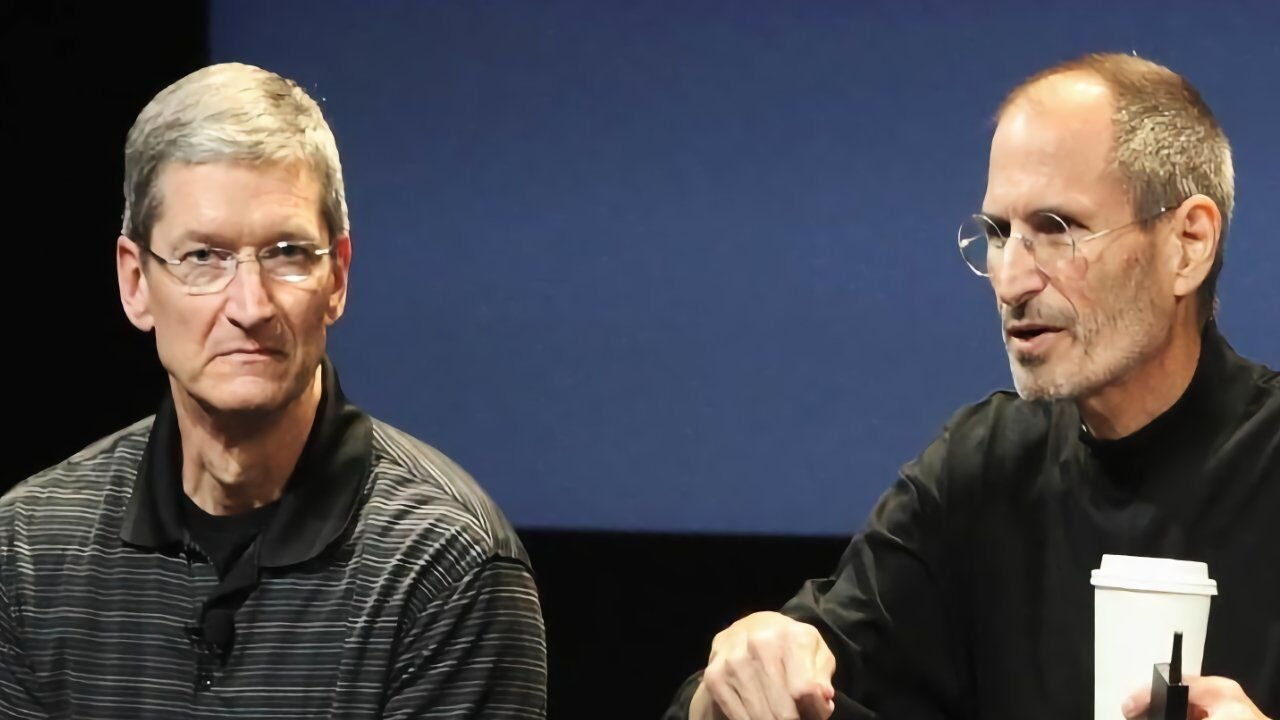
In August 2011, a private moment at Steve Jobs’ home marked one of the most important leadership transitions in modern tech history. Tim Cook later recalled that he was called over without any hint of what was about to happen. During the conversation, Jobs made it clear that he wanted Cook to take over as the next CEO of Apple. Cook initially resisted the idea, unsure whether he was the right fit for such a massive responsibility, but Jobs had already made up his mind.
What followed was not just a transfer of power but a piece of philosophy that would define Apple’s culture after Jobs. He told Cook something unusual that stayed with him deeply. Jobs advised that he should never ask what Jobs himself would have done in a situation. Instead, Cook was told to focus only on doing what was right in the moment. The idea was simple but powerful, and it was meant to protect Apple from becoming a company stuck in its own history.
Jobs had seen similar patterns elsewhere, especially during his time observing Disney, where internal debates often revolved around what Walt Disney might have done. He did not want Apple to fall into that same mindset. In his view, constantly looking back at a founder’s decisions could slow down innovation and trap a company in the past instead of pushing it forward.
That philosophy became a silent guide for Tim Cook’s leadership style. Instead of continuing Apple exactly as Jobs had run it, Cook began shaping a different path that focused on long term stability and expansion. Under his leadership, Apple strengthened its operations and supply chain and expanded into services like iCloud and Apple Music, creating new pillars beyond hardware.


One of the biggest shifts during Cook’s era was Apple’s move into designing its own chips with Apple Silicon after moving away from Intel. This decision not only improved performance but also gave Apple greater control over its future technology roadmap. It reflected the kind of independent thinking Jobs had encouraged, rather than imitation of past decisions.
Apple also reached a historic milestone in market value, becoming the first company in the world to cross the 3 trillion dollar mark. Alongside the iPhone, new categories like wearables grew into a major business segment, strengthening Apple’s ecosystem in ways that went far beyond its original product lineup.
Looking back, that 2011 conversation was not just about choosing a successor. It was about setting a mindset. Steve Jobs did not just hand over Apple, he handed over the responsibility of thinking independently, ensuring the company would continue evolving even without him guiding every decision.