Google Wallet Adds Aadhaar Integration in India with Simple Digital Access Steps
New feature allows users to securely store Aadhaar in Google Wallet enabling easy identity verification without carrying physical documents while reducing risk of loss misuse and improving convenience

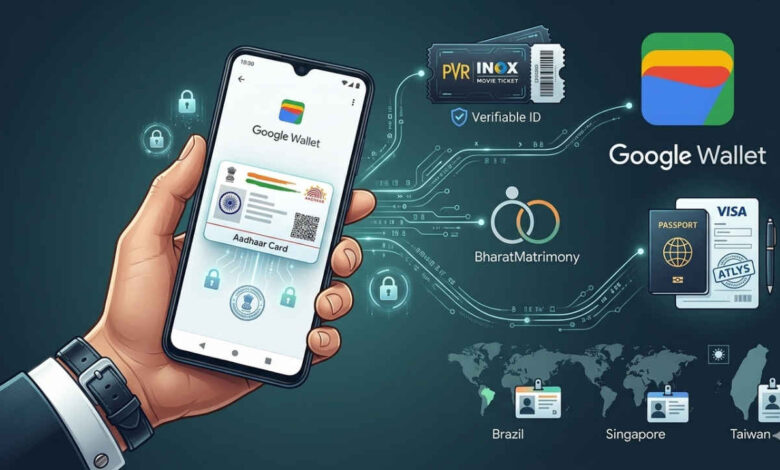
In a significant move toward digital convenience, Google Wallet has introduced support for storing Aadhaar details directly within its platform for users in India. The update is part of a broader push to simplify identity verification while reducing reliance on physical documents.
The feature has been rolled out in collaboration with UIDAI, the body responsible for managing Aadhaar services. This partnership ensures that the integration follows official standards for security and authentication, making it suitable for everyday use cases such as identity and age verification.
For many users, one of the biggest advantages is convenience. Instead of carrying a physical Aadhaar card, individuals can now access a digital version directly from their smartphone. This is especially useful in situations where documents are required at short notice. It also reduces the risk of losing the card or sharing unsecured copies, which has been a concern in the past.
The process of adding Aadhaar to the wallet has been designed to be straightforward. Users can begin by opening the official Aadhaar app, logging in with their Aadhaar number, and completing verification through a one time password sent to their registered mobile number. Once verified, an option to add the document to Google Wallet appears, allowing users to complete the setup in just a few steps.


Alternatively, the process can also be initiated from within the wallet itself. After installing and opening the app, users can tap the add button and select Aadhaar from the list of supported documents. This action redirects them to the Aadhaar platform, where they can follow on screen instructions to complete the integration securely.
Security remains a key focus in this update. By avoiding the need to store or share PDF copies of Aadhaar, the feature helps limit potential misuse of personal information. Access within the wallet is protected by device level security measures, adding an extra layer of safety.
Experts believe this move reflects a growing trend toward digital identity solutions, where smartphones act as secure repositories for essential documents. As more services begin accepting digital verification, such integrations are expected to play a larger role in everyday transactions.
With this update, Google Wallet is positioning itself as more than just a payment tool. It is gradually evolving into a comprehensive digital storage solution for important credentials, offering users both convenience and peace of mind in managing their identity documents.