Free TV Channels on Smart TVs May Soon Face Regulation in India
TRAI proposes new framework to regulate free streaming TV services on smart TVs, potentially introducing licensing, content rules, and subscription charges that could impact millions of users across the country

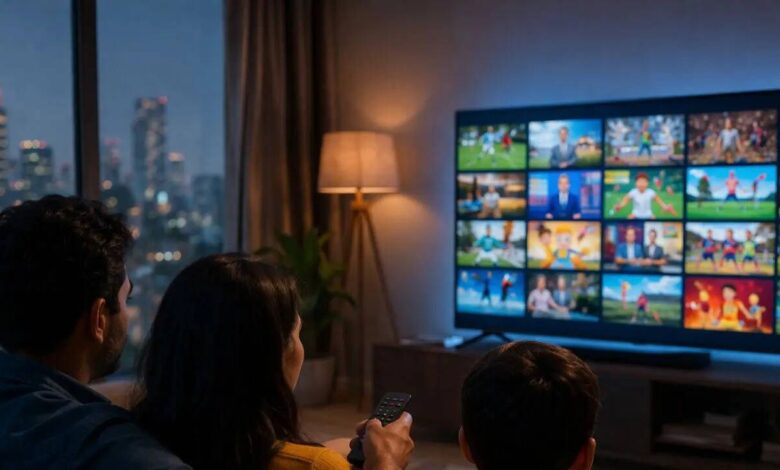
Watching free TV channels on smart TVs could soon change for millions of users in India, as regulators move to bring these services under formal oversight. The Telecom Regulatory Authority of India is currently reviewing how internet based television channels are delivered and whether they should follow the same rules as traditional broadcasting platforms.
At present, major brands like Samsung, LG, and Xiaomi offer access to more than 150 free channels through their smart TV platforms. These channels are streamed via the internet and are supported by advertisements, allowing users to watch content without paying any subscription fee.
These services fall under what is globally known as FAST platforms, or free ad supported streaming television. They have grown rapidly in India, driven by affordable internet access and the increasing adoption of smart TVs in households. For many users, these platforms have become an easy alternative to cable or DTH connections.
However, concerns have been raised by traditional cable operators and direct to home service providers, who argue that these internet based platforms operate without regulatory obligations. Unlike them, FAST services do not require licenses and are not bound by strict content or advertising codes, creating what some see as an uneven playing field.


In response, the Telecom Regulatory Authority of India has issued a consultation paper proposing a structured framework to regulate these services. The regulator has introduced the concept of Application Based Linear Television Distribution, aiming to categorize and monitor such platforms more effectively.
If these proposals are implemented, companies offering free TV channels through smart TVs may need to obtain licenses, adhere to content guidelines, and follow advertising standards similar to traditional broadcasters. This would bring greater accountability but could also increase operational costs for service providers.
One possible outcome of stricter regulation is the introduction of subscription fees. Since these platforms currently rely heavily on advertising revenue, additional compliance requirements could push companies to explore paid models, potentially ending the completely free viewing experience that users currently enjoy.
The consultation process is ongoing, with stakeholders invited to submit their responses within a defined timeline. Once feedback is reviewed, a final policy decision is expected, which could reshape how television content is consumed through smart TVs in India.
For now, users can continue accessing free channels as before, but the landscape may soon evolve. If new rules come into force, the convenience of free streaming on smart TVs could give way to a more regulated, and possibly paid, entertainment ecosystem.