Iranian Protests Turn Deadly; Official Confirms Nearly 2,000 Deaths

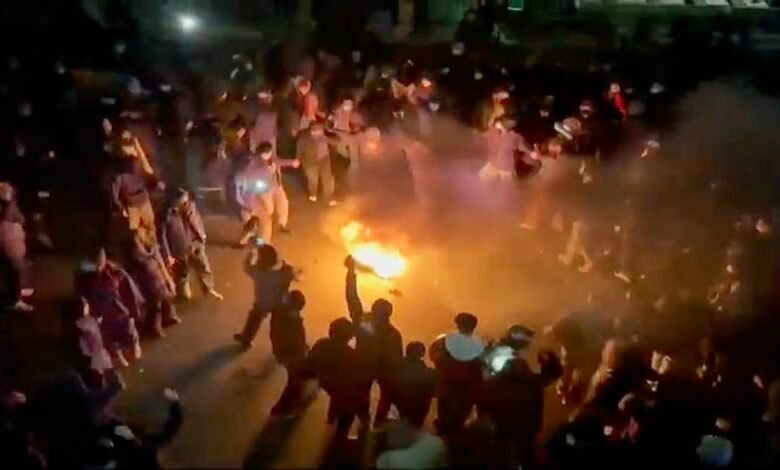
Tehran : Iran is witnessing one of its deadliest waves of anti-government protests, with approximately 2,000 people, including security personnel and demonstrators, reported dead, an Iranian official confirmed to Reuters on Tuesday. This marks the first time a government authority has acknowledged the scale of fatalities.
The protests erupted across the country amid mounting economic hardships caused by renewed sanctions from the United States and European nations. Demonstrators have voiced anger over inflation, unemployment, and government policies, sparking widespread unrest. The Iranian official blamed “terrorists” for the casualties among both protesters and security forces, though no further details on the alleged perpetrators were provided.
Human rights organizations have expressed concern over the violent government crackdown. Eyewitnesses and activists report that security forces fired live ammunition directly at protestors, contributing to the high death toll. The unrest has also been compounded by severe communication restrictions, with the government cutting off internet access for more than four days, making independent reporting and verification of events challenging.

Despite the restrictions, international communications are slowly resuming. Over the past few days, international phone calls from Iran have been allowed, though outgoing calls remain limited, complicating accurate monitoring of events inside the country.
Norwegian NGO Iran Human Rights (IHR) has independently confirmed that 648 people, including nine minors, have died during the protests. However, the group cautioned that the true number of casualties may be significantly higher, with some estimates suggesting over 6,000 deaths. The IHR also reported that over 600 protests have taken place across Iran’s 31 provinces, resulting in approximately 10,000 arrests so far.
Iranian authorities, meanwhile, have rejected claims that the protests are a response to domestic grievances, asserting that the unrest is driven by foreign powers seeking to destabilize the country, specifically citing Israel and the United States. Officials have labeled the protests as attempts at “destabilization” rather than legitimate civic dissent, continuing to justify their forceful interventions.
The situation remains tense as demonstrators continue to take to the streets, defying government-imposed curfews and restrictions. Human rights groups warn that without immediate de-escalation and accountability, the protests could escalate further, endangering more lives. International observers are calling on Iran to allow unrestricted media access, provide humanitarian support, and respect the rights of peaceful protesters.
With the global spotlight on Iran, the government faces increasing pressure to address the underlying economic and social grievances while managing international condemnation over its handling of the protests. Analysts say the next few weeks will be critical in determining whether Iran can stabilize the situation without further bloodshed.