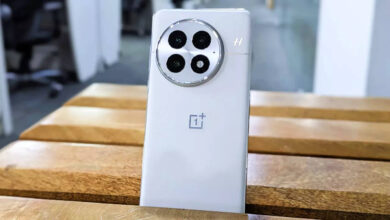
Why Smartphone Prices Are Rising Fast Xiaomi Points to Memory Crisis Behind the Surge
Xiaomi reveals that rising memory chip costs and global demand pressures are pushing smartphone prices higher across segments, leaving consumers facing expensive upgrades with no immediate relief expected anytime soon


Smartphone buyers across the market have recently noticed a clear trend devices are getting more expensive regardless of brand or category. From budget options to premium flagships, price tags have steadily climbed, leaving many consumers wondering what is driving this surge.
Chinese tech giant Xiaomi has now shed light on the issue, pointing to a major supply challenge behind the scenes. According to the company, the rising cost of memory components is one of the biggest reasons forcing manufacturers to increase prices across their product lineup.
The explanation comes from Lu Weibing, a senior executive at Xiaomi, who shared insights about the growing pressure on production costs. He highlighted that DRAM shortages have significantly impacted pricing, making it more expensive to build modern smartphones that rely heavily on high performance memory.
As devices continue to evolve, higher RAM and storage configurations have become standard, especially in midrange and flagship phones. However, these upgrades are no longer cheap. Xiaomi revealed that the cost of advanced memory setups has increased sharply, with significant jumps seen in configurations featuring high RAM and storage capacities.


This rise in component pricing has had a direct impact on upcoming devices. The company admitted that it has already adjusted prices for several new models in its domestic market, with more increases expected in future launches. For consumers, this means that even upcoming smartphones may not offer the same value pricing that brands were once known for.
Industry experts believe the situation may not improve anytime soon. The growing demand for chips, especially due to the rapid expansion of artificial intelligence technologies, is putting additional strain on global supply chains. As tech companies compete for these resources, component costs continue to rise.
There is also uncertainty about how long this trend will last. While some analysts suggest that prices may begin to stabilize later in the decade, others believe that the pressure could continue for several more years. Until supply catches up with demand, manufacturers may have little choice but to pass on the increased costs to buyers.
For now, consumers may need to adjust expectations, as affordable upgrades become harder to find. The smartphone market is entering a phase where performance improvements come at a noticeably higher price, and relief does not appear to be just around the corner.