Smartphones and Laptops Expected to Get More Expensive as Memory Shortage Deepens Toward 2027
Global chip supply crunch driven by rising AI demand may push prices of smartphones tablets and other electronic devices significantly higher in coming years according to industry forecasts

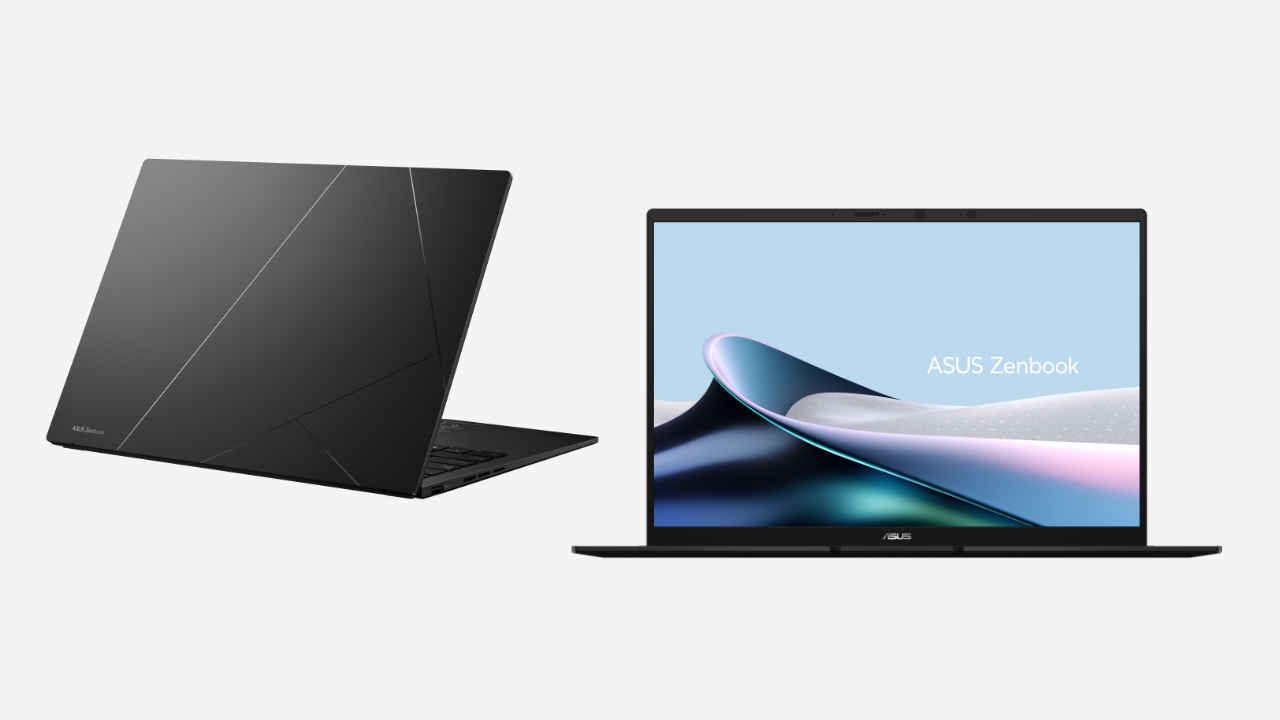
The cost of everyday tech devices like smartphones, tablets and laptops could continue rising sharply over the next few years, with experts now warning that the situation may worsen by 2027. What started as a supply strain in memory chips is now turning into a long term pricing pressure for consumers worldwide.
A major concern has been highlighted by Samsung, one of the world’s largest memory chip manufacturers. According to reports cited by Reuters, the company expects electronic device prices to climb further as shortages in memory components persist and demand continues to outpace supply.
The core issue lies in the global shortage of DRAM and flash memory. With the rapid expansion of artificial intelligence systems, demand for these components has surged since late 2025. At the same time, production capacity has struggled to keep up, creating a widening gap between supply and demand.
The entry of large AI focused companies such as OpenAI into high volume chip purchasing has further tightened availability in the market. Industry insiders believe that relief is unlikely before 2028, keeping pressure on prices for the foreseeable future.


Inside Samsung’s memory division, senior executives have reportedly warned that the DRAM shortage is becoming more severe. Production output is falling short of market requirements, and demand for RAM and memory chips is expected to rise even further in 2027, potentially worsening the imbalance.
This supply constraint is already visible in global pricing trends. The cost of a 32GB DDR5 RAM module, which was around 91 dollars last year, has jumped to nearly 394 dollars. Similarly, storage devices such as the Samsung 990 Pro 2TB SSD have seen dramatic price increases, rising from about 119 dollars to over 572 dollars in a short span.
Interestingly, while consumers face higher costs, memory manufacturers are seeing strong financial gains. Samsung’s chip division reportedly recorded a massive surge in profits, with some estimates suggesting a jump of nearly 4800 percent in early 2026 compared to the previous year. Much of its production capacity is already sold out in advance.
As demand from smartphones, laptops and other smart devices continues to grow, experts believe the pricing pressure may persist for several years. The broader outlook suggests that both manufacturers and consumers will have to adapt to a market where memory remains expensive and supply stays tight.