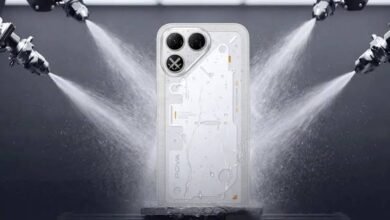
OpenAI May Enter Smartphone Market with AI Driven Agent Based Device
Reports suggest upcoming device could replace traditional apps with intelligent AI agents handling tasks automatically potentially reshaping how users interact with smartphones and digital services in future years

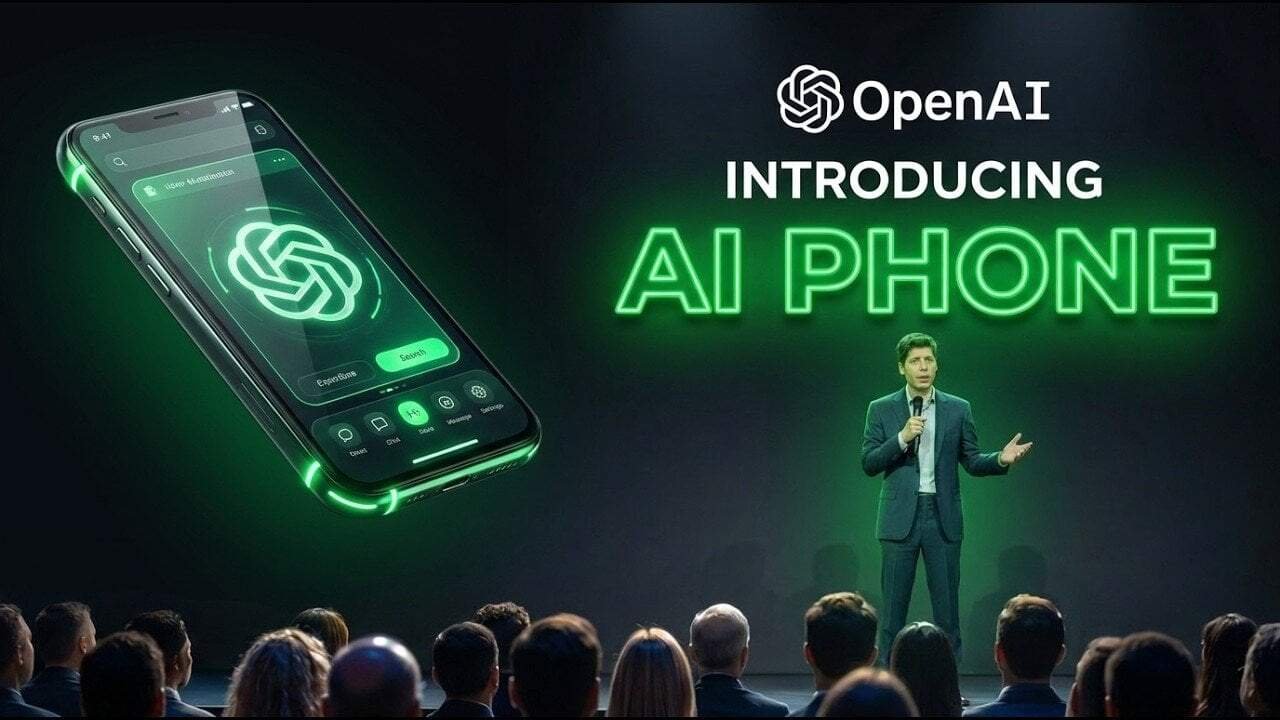
The company behind ChatGPT is reportedly exploring a bold new direction that could disrupt the smartphone industry. OpenAI is said to be working on its own smartphone, but unlike conventional devices, this one may rely heavily on AI agents rather than traditional apps.
According to industry analyst Ming-Chi Kuo, the device could arrive around 2028, though no official confirmation has been made yet. If the reports are accurate, the company is aiming to rethink how users interact with their phones by reducing dependence on multiple applications.
The concept revolves around what is being described as an AI agent phone. Instead of switching between apps for different tasks, users may rely on intelligent agents that can handle complex processes on their own. For example, planning a meeting might no longer require opening a calendar, messaging app, and browser separately. The AI could gather information, suggest suitable time slots, and even complete bookings automatically.
This approach could significantly simplify everyday smartphone usage. Tasks that currently require multiple steps and manual input may become seamless and largely automated. The idea is to minimize direct interaction while allowing the device to understand and execute user intent more efficiently.


Reports also indicate that the hardware could feature specialized processors developed in collaboration with chipmakers like Qualcomm and MediaTek. These processors would likely be optimized specifically for AI heavy workloads, ensuring smooth performance for agent based operations.
If such a device reaches the market, it could change the role of apps entirely. Many commonly used applications such as booking platforms or scheduling tools might become less relevant, as AI agents take over their functions directly within the system.
While the project is still in its early stages and remains speculative, the idea highlights how quickly AI is evolving beyond software into hardware experiences. If successful, OpenAI’s move could redefine smartphones and push the industry toward a more automated and intelligent future.