Samsung Galaxy Z Fold 8 Sales Rise After iPhone Duo Launch
Samsung Galaxy Z Fold 8 sales have reportedly increased in South Korea after the iPhone Duo launch, with pricing, availability, lighter design and slimmer construction influencing demand.

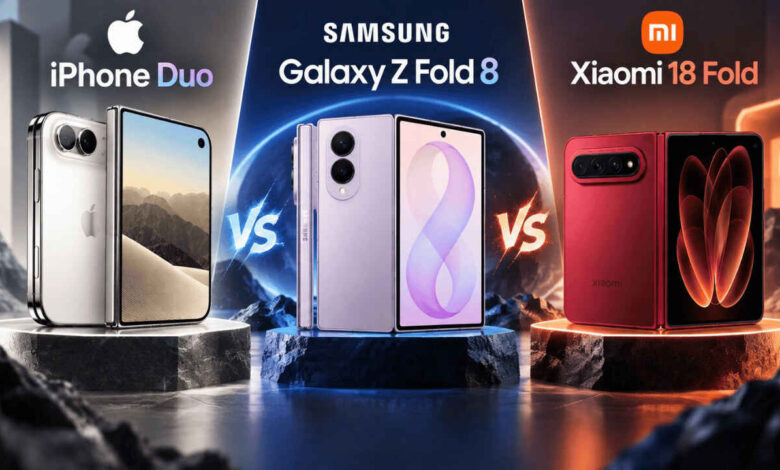
Samsung appears to be seeing continued interest in its foldable smartphone lineup in South Korea, despite expectations that Apple’s entry into the segment could put pressure on the company. Reports indicate that sales of the Samsung Galaxy Z Fold 8 have risen by around 10 percent in the country following the launch of the iPhone Duo.
The development is notable because Samsung has been one of the leading names in the foldable smartphone market for several years. Apple’s arrival has brought additional attention to the category, but the initial response in Samsung’s home market suggests that customers are still considering other options.
One factor that could be influencing buyers is the difference in pricing. The Samsung Galaxy Z Fold 8 reportedly starts at around 2.28 million won in South Korea, while the iPhone Duo is expected to begin at approximately 3.29 million won. The sizeable difference could make Samsung’s foldable more accessible to customers who want a premium foldable phone without moving into Apple’s higher price range.
Availability may also be playing a role. The Samsung Galaxy Z Fold 8 is already available to customers in South Korea, while the iPhone Duo is scheduled to launch there on October 16. This gives Samsung’s device an opportunity to attract buyers who want a foldable smartphone immediately rather than waiting for Apple’s model.


The physical design of the Galaxy Z Fold 8 could also be contributing to its appeal. Compared with earlier generations, the latest foldable is designed with a slimmer and lighter body. For a device that is used regularly in both folded and unfolded forms, reducing thickness and weight can make a noticeable difference in everyday handling.
The Galaxy Z Fold 8 also offers two displays for different situations. Its main screen measures 7.6 inches and uses a Dynamic AMOLED 2X panel with a resolution of 1848 by 2448 pixels. The internal display supports an adaptive 120Hz refresh rate and can reach a peak brightness of 3000 nits.
When the phone is folded, users can rely on its 5.5 inch Dynamic AMOLED 2X cover display. The outer screen has a resolution of 1972 by 1248 pixels and also supports an adaptive 120Hz refresh rate.
Performance comes from Qualcomm’s Snapdragon 8 Elite Gen 5 processor. This places the Galaxy Z Fold 8 in the flagship smartphone segment and gives it the hardware required for demanding applications, multitasking and other intensive workloads.
Photography is another part of the package. The rear camera system includes a 50 megapixel primary camera and another 50 megapixel camera. Samsung has also included a 10 megapixel camera beneath the inner display, while a separate 10 megapixel camera is provided on the front for selfies and video calls.
Battery capacity has also been designed for regular daily use. The Galaxy Z Fold 8 carries a 4800mAh battery and supports 45W wired charging along with 20W wireless charging. A side mounted fingerprint sensor provides another method of securing the device.
Apple’s entry into the foldable market has nevertheless changed the competitive landscape. For Samsung, the arrival of another major smartphone maker means consumers now have an additional premium option to consider. At the same time, greater attention on foldable phones could bring more customers into the category.
The sales movement in South Korea is therefore being watched closely. A rise in Galaxy Z Fold 8 demand does not necessarily indicate that Apple’s foldable has failed to attract interest. Instead, the figures show that consumers can respond differently depending on factors such as price, availability, design and hardware.
Samsung’s established presence in the foldable market also gives it an advantage in terms of familiarity among customers who have already used earlier Galaxy Z Fold models. The latest generation continues that approach while adding newer hardware and a more refined physical design.
The coming months should provide a clearer picture of how customers compare the two devices once Apple’s foldable becomes available in South Korea. For now, the reported increase in Galaxy Z Fold 8 sales shows that Samsung continues to have demand in its home market even as competition in the foldable smartphone segment expands.