Artemis II Nears Launch as NASA Prepares Powerful SLS Rocket for Crewed Moon Mission
NASA is set to launch Artemis II mission carrying astronauts around the Moon marking a major step in deep space exploration with advanced systems testing and future lunar mission preparation

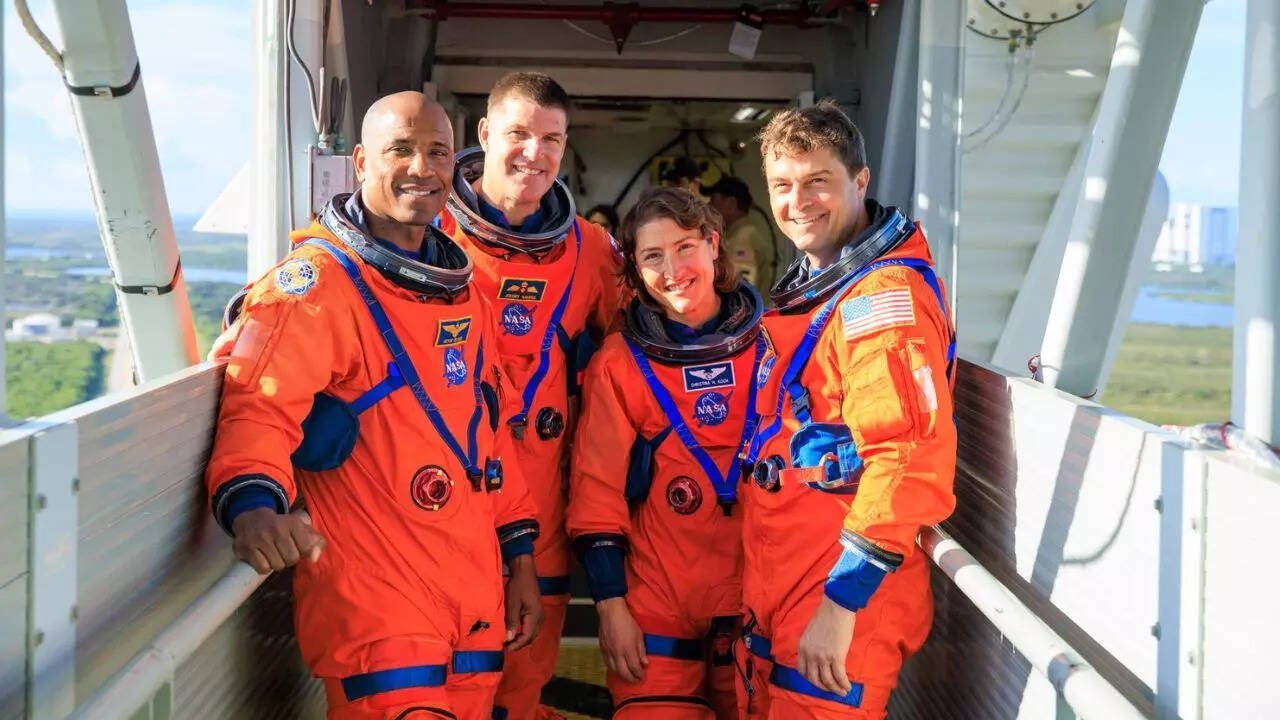
A new chapter in space exploration is about to begin as NASA moves closer to launching the Artemis II mission. With final preparations underway, teams are working around the clock to ensure the rocket and spacecraft are ready for liftoff, marking a significant moment in human spaceflight.
The mission stands out because it will carry astronauts beyond Earth’s orbit for the first time in more than five decades since the Apollo program era. Unlike its predecessor Artemis I, which was uncrewed, Artemis II will send four astronauts on a journey around the Moon before safely returning to Earth.
At the heart of this mission is the Space Launch System, widely considered the most powerful rocket ever built by NASA. Designed specifically for deep space missions, the SLS generates around 8.8 million pounds of thrust at launch, placing it among the strongest rockets since the historic Saturn V.
The rocket’s core stage is powered by four RS 25 engines, technology previously used in the Space Shuttle program, along with two solid rocket boosters that provide most of the thrust during the initial phase of liftoff. This early stage is critical, as it helps the spacecraft break free from Earth’s gravity and begin its journey into deep space.


Standing nearly 98 meters tall, the SLS is capable of carrying heavy payloads like the Orion spacecraft directly toward the Moon. For Artemis II, the Block 1 configuration will be used to send the crew on a trans lunar trajectory. Once in flight, the boosters will separate within minutes, allowing the core stage to continue pushing the spacecraft forward.
The mission is expected to last around ten days and will focus heavily on testing essential systems. These include life support, navigation, communication, and crew safety in deep space conditions. The goal is to validate these systems before future missions attempt a human landing on the Moon.
Launch timing is subject to weather and technical conditions, but current targets suggest a liftoff window around early April. The countdown process has already begun, with fueling and pre launch procedures scheduled to be broadcast live for global audiences.
Looking ahead, Artemis II is a crucial stepping stone for upcoming missions. Artemis III is expected to build on its success by attempting a human landing on the lunar surface. Beyond that, NASA aims to establish a sustained human presence on the Moon and eventually prepare for missions to Mars.
As anticipation builds worldwide, the Artemis II launch is being seen not just as a mission, but as the beginning of a new era in space exploration, bringing humans closer once again to deep space travel.