Karnataka Cabinet Shake-Up on the Cards: CM Siddaramaiah Plans Major Reshuffle After Bihar Polls


Bengaluru : As the dust settles on the Bihar assembly elections, all eyes in Karnataka are now on Chief Minister Siddaramaiah and his highly anticipated cabinet reshuffle—expected to take place this November. Sources within the ruling Congress have confirmed that the Siddaramaiah-led government, which is nearing the completion of its two-and-a-half-year mark, intends to bring sweeping changes in its council of ministers with a clear plan to rejuvenate the administration and strengthen party organization ahead of crucial local elections next year.
Grand Plan for Change
The proposed cabinet overhaul is significant, with insiders suggesting that up to 50% of the incumbent ministers could be relieved of their posts and assigned organizational responsibilities within the party. The move, party strategists say, is designed to make way for fresh faces and energetic new leaders who have long aspired for cabinet berths, but have been waiting in the wings despite their loyalty and seniority within the Congress.
In a series of closed-door consultations, Chief Minister Siddaramaiah has spoken with senior ministers to weigh the merits and demerits of possible replacements, seeking to maintain social justice and regional balance while avoiding factional backlash. The changes are also intended to infuse fresh energy into the administration and demonstrate transparency and effectiveness in governance for the remaining half of his term.
November Reshuffle and Ministerial Churn
The timing of this “cabinet surgery” is telling—the government’s 30-month milestone falls in November, just before Karnataka heads for important local body elections early next year. Sources say the Chief Minister’s office is closely scrutinizing elected lawmakers’ performance, eligibility, and their contributions to both governance and party organization.

The report card-based evaluation has revealed several aspirants for ministerial slots, especially those representing backward and minority communities, as well as key regions that have been under-represented in recent years. Notably, trusted organization man and party council chief whip Saleem Ahmed, who has missed out on cabinet positions previously, is said to be a top contender this time, particularly as he hails from the Kittur Karnataka region, which has lacked minority representation for nearly two decades.
Balancing Experience and Opportunity
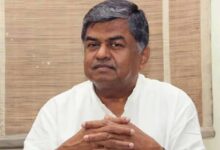
Among the names being considered for a change are towering veterans such as Dinesh Gundu Rao and R. V. Deshpande, with the latter possibly retaining a mentor’s role while the former might be deployed for crucial party work ahead of the elections. Others like Education Minister Madhu Bangarappa could make way for fellow community leaders such as B.K. Hariprasad, who himself may soon assume the post of Upper House Leader, while N.S. Bosaraju could be moved to the Speaker’s role in a bid to strengthen legislative management.
Additional discussions are ongoing for including rising women leaders and the next generation, such as the possible induction of Roopakala Shashidhar, daughter of outgoing minister K.H. Muniyappa, in an effort to connect better with youth and signal generational change.
Senior leader Dr. H.C. Mahadevappa, who has long served in the cabinet, is also likely to step aside, making way for emerging faces from the Scheduled Castes—ensuring the party’s stated commitment to social quota and upliftment is reflected in the reshuffle.
Strong List of Aspirants
With such sweeping change on the horizon, the list of ministerial hopefuls is growing rapidly. Some of the leading names now making the rounds include:
- B.K. Hariprasad (Legislative Council)
- Saleem Ahmed (Legislative Council)
- Shivalingegowda (Arsikere MLA)
- H.C. Balakrishna (Magadi MLA)
- P.M. Narendraswamy (Malavalli MLA)
- B. Nagendra (Ballari Rural MLA)
- Basavaraj Rayareddy (Yelburga MLA)
- Appaji Nadagouda (Muddebihal MLA)
- Laxman Savadi (Athani MLA)
- T.B. Jayachandra (Sira MLA)
- U.T. Khader (Speaker & Ullal MLA)
- Roopakala Shashidhar (KGF MLA)
Bringing these new faces into the cabinet is seen as crucial for injecting new dynamism into governance, as well as energizing party workers in advance of tough local elections.
Leadership & Rumor Management
The planned reshuffle also serves a strategic political goal—consolidating Siddaramaiah’s leadership within the Congress. With ongoing speculation about a “rotational chief minister” formula and rumored handover to Deputy CM D.K. Shivakumar after 2.5 years, Siddaramaiah is reportedly keen to signal control and continuity by executing the reshuffle with high command’s approval.
Deputy Chief Minister D.K. Shivakumar and Home Minister G. Parameshwar have both played down speculation, reiterating that such decisions rest with the Chief Minister and the party, while Siddaramaiah himself has assured there will be no abrupt leadership change and that he intends to see out the government’s full term.
Internal Party Tensions
The move to retire seasoned ministers and redeploy them in organizational roles has caused some unease. Senior Congress leaders—including Dr. Parameshwar, Satish Jarkiholi, and Dr. Mahadevappa—were recently seen at a private breakfast meeting, triggering speculation that the party is preparing for potential discontent during the transition.
The Siddaramaiah government appears determined, however, to manage the process with sensitivity and avoid mass dissent, hoping that a transparent, inclusive process will bolster the party’s prospects at the polls and maintain stability at the top.
Looking Ahead
As Karnataka gears up for this major political reorganization, both the government and the Congress party machinery are under pressure to ensure that the reshuffle not only imparts new vigor to administration but also preserves party unity and electoral momentum. The next few weeks, leading up to and following the cabinet reshuffle, will be crucial in shaping the state’s governance and political landscape as it heads toward the next round of elections.