India Opens Baglihar Dam Gates as Heavy Rain Raises Flood Concerns in Pakistan
Rising water levels in the Chenab River after continuous rainfall in Jammu and Kashmir prompted India to open three gates of the Baglihar Dam, increasing downstream flow toward Pakistan.

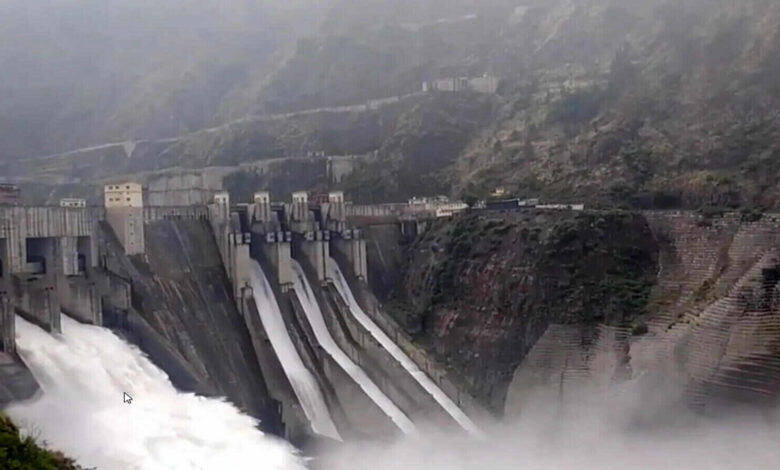
Heavy rainfall across parts of Jammu and Kashmir has significantly increased water levels in the Chenab River, prompting authorities to open three gates of the Baglihar Dam in Ramban district. The controlled release of water is aimed at managing the rising inflow into the reservoir.
The decision follows days of persistent rain in the Doda and Kishtwar regions, where swollen rivers and streams have pushed the Chenab’s water level higher than usual. Officials initiated the release as part of routine reservoir management to ensure the dam’s operational safety.
Since the Chenab is one of the rivers that flows into Pakistan, the increased discharge is expected to raise water levels downstream. Reports indicate that authorities in Pakistan are closely monitoring the situation, with low-lying settlements along the river remaining alert over possible flooding if rainfall continues.
The development has also drawn attention because it comes during ongoing tensions surrounding the Indus Waters Treaty. In recent days, Pakistan has raised concerns over water-related issues between the two countries, while India has maintained that its position on the treaty will continue to be guided by its national interests and broader security considerations.


Under the 1960 Indus Waters Treaty, the waters of the Chenab are allocated primarily for Pakistan’s use, while India is permitted to develop hydropower projects on the river within the framework of the agreement. The Baglihar Dam is one such hydroelectric project built on the Chenab in Jammu and Kashmir.
Authorities have emphasized that the current release of water is linked to heavy inflows caused by monsoon rains. Residents living along riverbanks on both sides of the border have been advised to remain vigilant and follow updates issued by local administrations as weather conditions continue to evolve.