BJP’s micro-strategy drives Bengal surge; early voting campaign draws attention

Kolkata : The West Bengal election results have sparked intense political debate, with the Bharatiya Janata Party attributing its strong performance to focused micro-management and booth-level strategies. Among these, the party’s early-morning voting campaign has emerged as a key talking point.
Party leaders say the campaign—popularly framed as “vote first, then breakfast”—was designed to encourage voters to reach polling booths early in the day. The strategy aimed to counter delays in voter turnout and ensure that supporters exercised their franchise before peak hours.
Traditionally, many voters prefer to cast their ballots later in the day. However, BJP leaders argued that in a politically sensitive environment, delayed voting could affect turnout patterns. To address this, the party mobilised its cadre to reach out to households with a clear message: prioritise voting at the earliest opportunity.
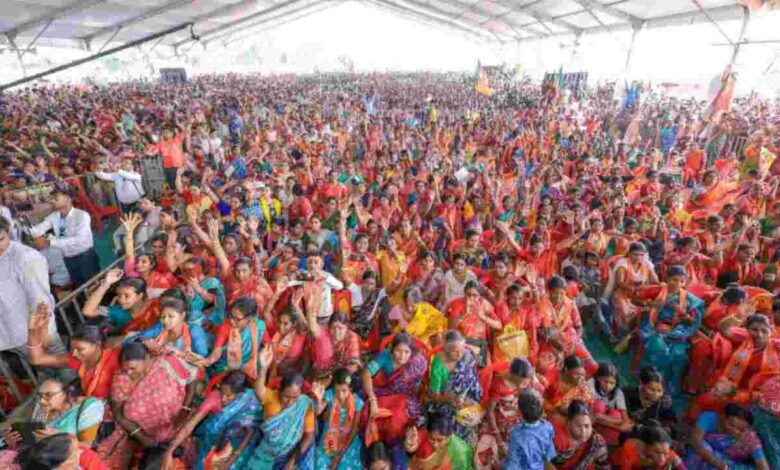
According to party insiders, this approach received a strong response from voters in several constituencies. Early queues outside polling stations were cited as evidence of increased participation among BJP supporters. Leaders claim that such mobilisation helped streamline turnout and strengthened booth-level coordination.


Another aspect of the BJP’s strategy focused on maximising voter participation at the grassroots level. Local leaders were reportedly tasked with ensuring high turnout in their respective areas. Booth committees were activated early in the morning, coordinating with volunteers to assist voters and maintain steady flow at polling centres.
The party also ran awareness campaigns discouraging the use of NOTA (None of the Above), particularly in constituencies where dissatisfaction among voters could have affected results. BJP workers engaged with voters, emphasising the importance of each vote in closely contested seats.
However, rival parties, including the ruling All India Trinamool Congress, have dismissed these claims and alleged that the BJP is attempting to shape a narrative around its performance. TMC leaders have maintained that election processes are monitored by authorities and any claims of irregularities should be addressed through official channels.
Political analysts note that while campaign messaging and voter mobilisation can significantly influence turnout, broader electoral outcomes are shaped by multiple factors, including local issues, candidate profiles, and long-term political dynamics.
The BJP’s emphasis on booth-level planning and time-sensitive voter outreach reflects a growing trend in Indian elections, where micro-strategies play a crucial role alongside large-scale campaigning. Experts suggest that such approaches, if effectively implemented, can yield tangible advantages in tightly fought contests.
As discussions continue, the Bengal election has once again highlighted the evolving nature of electoral strategies in India, where timing, organisation, and voter engagement are becoming increasingly decisive.