Why Milk Curdles While Making Tea and the Simple Tricks to Get a Perfect Cup Every Time
Many tea lovers face curdled milk while brewing tea Experts explain the common mistakes behind it and share easy kitchen solutions for smoother richer and perfectly balanced tea

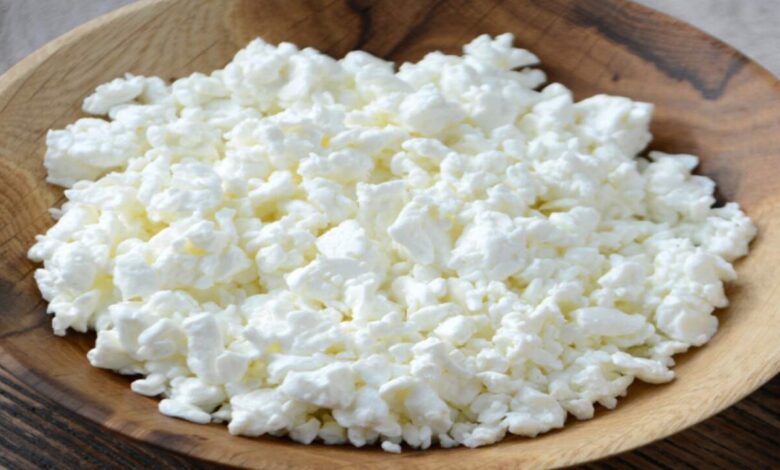
For millions of people, a hot cup of tea is the perfect way to begin the day. However, a common kitchen frustration often ruins the experience. Just when everything seems ready, the milk suddenly curdles, leaving the tea looking grainy and unappetizing. While many blame the quality of milk, experts say the real reason is usually linked to temperature and preparation techniques.
One of the biggest mistakes happens when cold milk is poured directly into a boiling tea mixture. The sudden temperature shock can cause milk proteins to break apart, leading to curdling. This problem becomes even more noticeable when the tea decoction is extremely hot and highly concentrated.
Kitchen specialists recommend a simple adjustment to avoid this issue. Instead of adding milk while the water and tea leaves are vigorously boiling, allow the mixture to settle slightly. Once the temperature drops a little, slowly add the milk and continue heating on a gentle flame. This small change can make a significant difference in the final texture and appearance of the tea.
The quality and condition of ingredients also play an important role. Milk taken straight from the refrigerator should not be poured directly into hot tea. Allowing it to sit at room temperature for a few minutes helps reduce the temperature difference and lowers the chances of curdling. Fresh milk generally performs better than milk that has been stored for an extended period.


Another factor that often goes unnoticed is the cleanliness of utensils and water quality. Residual acidity from improperly cleaned pots or stale water can interfere with the milk and increase the risk of curdling. Using fresh water and clean cookware creates a more stable environment for brewing tea.
Some experienced home cooks rely on a lesser known kitchen trick. A tiny pinch of baking soda can help balance acidity in the tea mixture and reduce the chances of milk separating. However, experts caution that only a very small amount should be used. Excess baking soda can alter the taste and affect the authentic flavor of the tea.
The ideal tea making process begins with boiling water along with tea leaves and optional ingredients such as ginger or cardamom. Once the flavors are fully extracted, the heat should be reduced before adding milk. The mixture should then be allowed to simmer gently until it reaches a light boil. Overheating after adding milk can sometimes trigger the same curdling problem that many people are trying to avoid.
Tea enthusiasts often focus on choosing premium tea leaves or fresh spices, but mastering the timing of milk addition is equally important. A few simple adjustments in the brewing process can transform an average cup into a smooth, flavorful, and perfectly balanced beverage.
Experts say that understanding the science behind milk and temperature is the key to consistently great tea. By avoiding sudden temperature changes, using fresh ingredients, and following proper brewing techniques, anyone can enjoy a rich and creamy cup without worrying about curdled milk ruining the experience.