Viral Health Alert Monsoon Warning on Eating Jamun After Rainfall
Experts warn eating jamun berries after rainfall may trigger infections, respiratory issues and digestive problems especially for asthma and allergy patients while contaminated fruit increases health risks during monsoon season

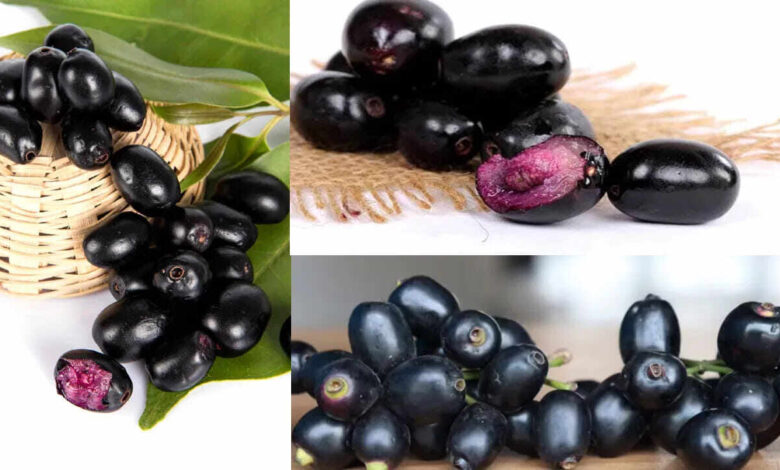
Jamun fruits often attract people during the rainy season with their deep purple color and sweet taste. However health experts point out that timing and cleanliness matter a lot before eating them. When these fruits get exposed to rainwater and moisture the surface becomes a breeding ground for bacteria and fungus that are not visible to the naked eye.
Many traditional beliefs passed down by elders also advise avoiding jamun immediately after rain. What sounds like a simple caution actually has a scientific reason behind it. The high humidity during monsoon allows microorganisms to grow quickly on the fruit skin and they can remain even after washing which increases the risk of stomach related infections.
Eating rain exposed jamun can also affect digestion. During monsoon the human digestive system naturally slows down and adding contaminated or moisture soaked fruit can lead to gas stomach pain indigestion or loose motions. In some cases it may further weaken the gut and cause discomfort for hours after consumption.
People who already suffer from asthma allergies or breathing related conditions need to be extra careful. Jamun has a cooling nature and when combined with cold rainy weather it may irritate the respiratory system. This can lead to increased cough mucus buildup or even trigger breathing difficulty in sensitive individuals.


Doctors generally suggest consuming fresh dry and properly cleaned jamun instead of those exposed to rain. Washing them in salted water and eating them after meals is considered safer. Avoiding roadside wet fruits during monsoon is one of the simplest ways to reduce unnecessary health risks.