Protein Deficiency Warning Signs 5 Symptoms You Should Never Ignore for Better Health
Protein is essential for body strength muscle repair and overall functioning and a lack of it can silently affect energy immunity and daily health leading to visible physical warning signs that should not be ignored

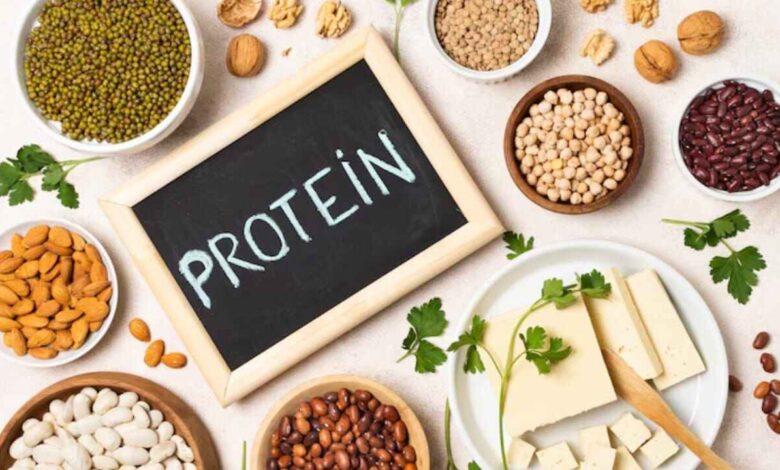
Protein plays a fundamental role in maintaining the structure and proper functioning of the human body. It is not only important for those who work out or go to the gym but is equally essential for every individual in daily life. When the body does not receive enough protein, it begins to show certain clear warning signals. Recognizing these signs early and correcting the diet can help prevent long term health complications.
One of the earliest signs of protein deficiency is muscle weakness and gradual loss of strength. When the body lacks sufficient protein, it starts breaking down muscle stores to meet its needs. This leads to reduced muscle mass, weakness in the arms and legs, and constant tiredness even during simple physical activities.
Another common symptom is increased hunger and frequent food cravings. Protein rich foods usually help you feel full for longer periods. When protein levels drop, blood sugar levels can fluctuate quickly, making you feel hungry soon after eating. This often leads to strong cravings for sugary snacks or junk food, which further affects overall health balance.
Hair fall, brittle nails, and dry skin are also strong indicators of protein deficiency. Hair, nails, and skin are made up of a protein called keratin. When the body lacks protein, it prioritizes vital organs and reduces supply to hair and nails. This results in excessive hair fall, thinning hair, easily breaking nails, and dull dry skin.


Slow healing of wounds is another important sign that should not be overlooked. Protein is essential for the formation of new cells and tissue repair. Without enough protein, the body’s healing process slows down significantly, and even small cuts or injuries take longer than usual to recover due to weakened immune response and reduced clotting efficiency.
Reduced immunity is one of the most serious effects of long term protein deficiency. The body depends on protein to produce antibodies that fight infections. When protein intake is low, the immune system becomes weak, making a person more prone to frequent colds, coughs, fever, and other seasonal infections.
Experts suggest that noticing these symptoms early can help prevent further complications. Including protein rich foods such as eggs, milk, curd, pulses, paneer, soybeans, chicken, or fish in daily meals can significantly improve health and restore balance in the body.