Morning Jeera Water Benefits and How This Simple Kitchen Spice May Support Digestion and Wellness
A simple Ayurvedic kitchen spice soaked overnight and taken in the morning may help digestion, support metabolism, ease bloating, and contribute to overall wellness when included with a balanced lifestyle

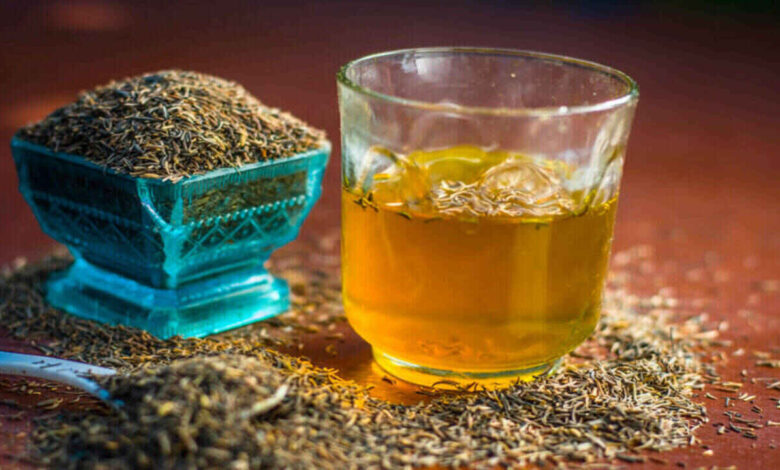
A simple kitchen ingredient often ignored in daily cooking is now gaining attention for its traditional health value. Known for its strong aroma and taste, this spice has been used in Indian households for centuries and is believed in Ayurveda to support digestion and overall balance in the body. Experts say that when consumed in a simple morning routine, it may bring noticeable changes in daily wellness.
Ayurvedic texts describe this spice as helpful in balancing internal bodily energies that are linked with digestion and metabolism. When these energies become imbalanced, people often experience issues like gas, acidity, bloating, or discomfort after meals. Traditional practices suggest that warm water infused with this spice may help bring relief and support a healthier digestive process over time.
One of the most discussed benefits today is its possible role in weight management. Many wellness practitioners suggest soaking a small quantity in water overnight and consuming it on an empty stomach in the morning. Some also chew the soaked seeds for better effect. This simple habit is believed to support metabolism and may help reduce unnecessary fat accumulation when combined with a proper diet and physical activity.
Digestive comfort is another major reason people turn to this natural remedy. Drinking the infused water after gently warming it and adding a pinch of natural salt is traditionally believed to reduce gas and improve bowel movement. Regular use is often associated with a lighter stomach feeling and better digestion throughout the day.


There is also growing interest in its connection with blood sugar balance. Some traditional health perspectives suggest that it may support pancreatic function, which plays an important role in insulin production. Better insulin activity can help maintain healthier glucose levels, although experts still recommend medical guidance for diabetes management.
Joint discomfort and stiffness are also areas where this spice is often mentioned in traditional wellness discussions. It is believed that by supporting digestion and reducing internal imbalance, it may indirectly help reduce inflammation related discomfort in the body. However, dietary control and medical care remain important for long term joint health.
Ayurveda also emphasizes that no single remedy works alone without lifestyle discipline. Reducing oily and processed foods, eating more natural meals, and maintaining regular eating habits are considered essential. Including fresh vegetables, fruits, and simple home cooked food is often recommended alongside traditional remedies for better results.
Ultimately, this everyday spice is valued not as a miracle cure but as a supportive part of a healthier routine. It can be consumed directly, soaked overnight, or used in warm water depending on preference. Health experts advise that individuals with medical conditions should consult a professional before making major dietary changes, ensuring safe and balanced use of traditional practices.