Modern Lifestyle Habits Are Quietly Damaging Digestive Health
Digestive discomfort is rising among young adults as unhealthy habits, stress, poor sleep and processed foods affect gut health, making simple lifestyle changes more important than ever.

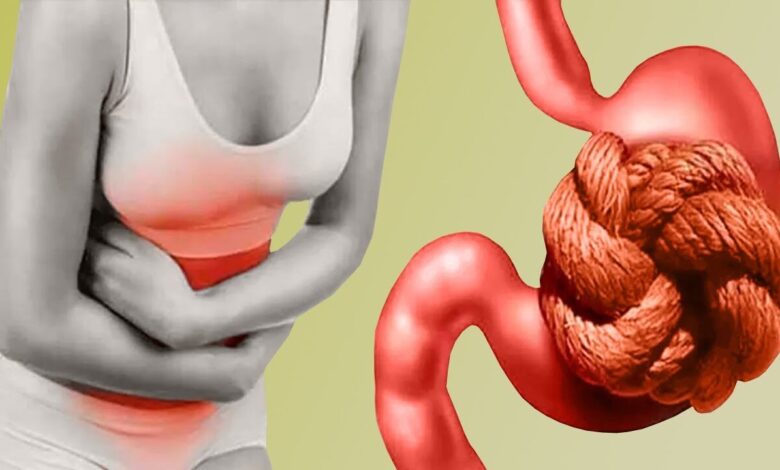
Digestive problems that were once considered occasional complaints are now becoming a daily struggle for many young adults. Symptoms such as bloating, acidity, constipation and stomach discomfort are being reported more frequently, prompting health experts to raise concerns about changing lifestyle patterns. While infections and medical conditions can sometimes be responsible, specialists say modern habits are increasingly taking a toll on digestive health.
One of the biggest contributors is the growing dependence on processed foods and packaged snacks. These products often contain very little fiber, an essential nutrient that supports healthy digestion and nourishes beneficial gut bacteria. As fiber intake declines, digestive issues such as constipation, bloating and irregular bowel movements become more common.
Stress is another factor that often goes unnoticed. Medical experts explain that the digestive system and the brain are closely connected. Long periods of mental pressure can alter normal bowel function, disrupt digestion and worsen existing stomach problems. As work pressures and fast paced lifestyles increase, many people are unknowingly placing additional strain on their gut health.
Sleep deprivation also plays a major role. Poor sleep affects the body’s natural repair mechanisms and can interfere with digestion and immune function. Individuals who regularly sleep late or fail to get adequate rest often report increased digestive discomfort and reduced overall wellbeing.


Another habit attracting attention is the excessive consumption of caffeine. Many young professionals rely on multiple cups of coffee, energy drinks and other caffeinated beverages to cope with busy schedules. While these drinks may provide temporary alertness, they can also increase stomach acid production and contribute to acidity and digestive irritation. Energy drinks, in particular, may contain high amounts of sugar and artificial ingredients that can negatively affect the gut microbiome.
Late night eating has emerged as another major concern. Experts warn that consuming meals close to bedtime disrupts the body’s natural digestive rhythm. Since digestion slows down during sleep, eating late can increase the risk of acid reflux, indigestion and stomach discomfort. Maintaining regular meal timings helps support a healthier digestive system and keeps the body’s internal clock functioning properly.
Health professionals also point out that frequent use of antibiotics without proper medical supervision can disturb the balance of beneficial bacteria in the gut. Smoking and excessive alcohol consumption further worsen the situation by weakening digestive function and damaging the natural microbial environment inside the intestines.
Fortunately, experts say digestive health can often be improved through simple but consistent lifestyle changes. A balanced diet rich in fruits, vegetables, whole grains and fiber can significantly support gut function. Drinking enough water throughout the day helps digestion and promotes regular bowel movements.
Regular physical activity is equally important. Activities such as walking, cycling and light exercise stimulate digestive processes and improve overall health. Managing stress through relaxation techniques, meditation or hobbies can also have a positive effect on gut function.
Doctors advise people not to ignore persistent digestive symptoms. Warning signs such as severe bloating, unexplained weight loss, blood in stools or long lasting digestive discomfort should be evaluated by a healthcare professional without delay. Early diagnosis often prevents more serious complications and ensures timely treatment.
Experts believe that digestive wellness begins with everyday choices. Small adjustments in eating habits, sleep schedules and stress management can gradually restore balance to the digestive system. By paying attention to these lifestyle factors, individuals can protect their gut health and enjoy better overall wellbeing in the long run.