Knee Pain No Longer an Old Age Problem as More Young Adults Report Symptoms
Doctors warn that increasing numbers of young adults are experiencing knee pain due to modern lifestyles, prolonged sitting habits, weight gain and reduced physical activity levels.

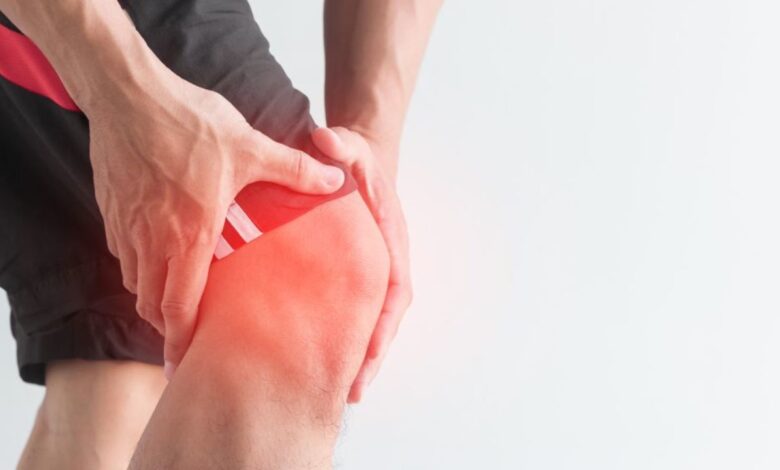
Knee pain was once considered a health issue largely associated with aging. However, medical experts are now witnessing a growing number of people in their twenties and thirties seeking treatment for knee related discomfort. What was previously seen as a problem of later life is increasingly affecting young adults, raising concerns among orthopedic specialists.
According to doctors, modern lifestyle habits are playing a major role in this shift. Long working hours at desks, limited physical movement and a lack of regular exercise are placing unexpected strain on the joints. As daily activity levels decrease, the muscles surrounding the knees gradually lose strength, making it harder for them to support the joint properly.
Orthopedic specialists explain that the knee is one of the most important joints in the human body. Everyday activities such as walking, running, climbing stairs and even standing for extended periods depend heavily on healthy knee function. When the muscles around the joint weaken, additional pressure is transferred directly to the knee, increasing the risk of pain and long term damage.
One of the biggest contributors to early knee problems is prolonged sitting. Many young professionals spend hours in front of computers without taking breaks. Remaining in the same position for extended periods can reduce blood circulation and limit joint mobility. Over time, this may lead to stiffness and discomfort that becomes more noticeable during movement.


Excess body weight is another major factor. Health experts point out that every additional kilogram of body weight increases the load placed on the knees. This extra stress can accelerate wear and tear on the cartilage that cushions the joint. As cartilage gradually deteriorates, knee pain can become more frequent and severe.
Medical professionals also note that cartilage damage often develops slowly. In its early stages, there may be very few warning signs. Many people ignore minor discomfort until the condition progresses. If left untreated, long term cartilage deterioration can contribute to more serious joint disorders, including osteoarthritis.
There are several symptoms that should not be ignored. Pain while climbing or descending stairs is one of the most common early warning signs. Persistent stiffness after sitting for long periods, swelling around the knee, cracking or popping sounds during movement and pain that continues even after exercise are also indicators that require attention.
Doctors recommend several simple measures to protect knee health. Maintaining a healthy body weight is considered one of the most effective ways to reduce unnecessary stress on the joints. People with desk jobs are advised to stand up and move around every 40 to 45 minutes to keep blood circulation active and prevent stiffness.
Regular physical activity can also help strengthen the muscles that support the knees. Low impact exercises such as walking, cycling and swimming are often recommended because they improve joint function without placing excessive strain on the body. Consistency is more important than intensity when it comes to preserving knee health.
Nutrition also plays an important role. A balanced diet rich in protein helps maintain muscle strength and supports tissue repair. Adequate sleep is equally important because the body performs many of its recovery and healing processes during rest.
Healthcare experts stress that knee pain at a young age should never be dismissed as a temporary inconvenience. Early evaluation and timely treatment can prevent minor issues from developing into chronic conditions that affect mobility and quality of life in later years.
With sedentary lifestyles becoming increasingly common, specialists believe awareness is essential. Recognizing symptoms early and making simple lifestyle adjustments can go a long way in protecting joint health and keeping knees strong for years to come.