Forgotten Village Vegetable Makes a Flavorful Comeback to Traditional Kitchens
An age old countryside vegetable once popular among farming communities is gaining attention again for its rich flavor, simple preparation method and ability to create hearty home cooked meals.


Across rural landscapes, many traditional vegetables that were once a regular part of family meals are slowly disappearing from modern kitchens. Among them is the humble Nela Mulakkaya, a lesser known vegetable that grows naturally on creeping vines spread across the ground. While many younger generations may not recognize it, older villagers still remember it as a flavorful ingredient that often found its place on dining tables decades ago.
What makes this vegetable unique is the way it grows. The vine spreads along the soil surface and produces fruits close to the ground. Since the plant contains small thorns, careful handling is required while harvesting. Farmers and agricultural workers who are familiar with the crop often gather it directly from fields and prepare it using simple household ingredients.
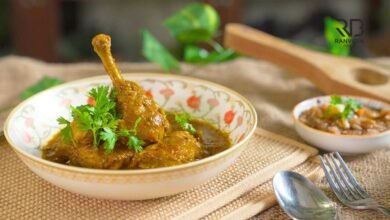
Food enthusiasts who have recently rediscovered this traditional vegetable say its taste can rival many rich and spicy dishes. When cooked with onions, tomatoes and aromatic spices, the vegetable develops a deep flavor that surprises those trying it for the first time. Many people who grew up in villages recall that a hot serving of this curry was often enough to satisfy the entire family.
Preparing the dish begins with thoroughly cleaning the vegetables. Since the fruits grow close to the soil, they must be washed several times to remove every trace of dirt. After cleaning, the thorny outer portions are carefully removed before cooking.

The recipe itself remains simple and relies on ingredients commonly available in most kitchens. Chopped onions, tomatoes, green chilies, turmeric, red chili powder, coriander powder, garlic paste and a preferred spice blend are typically used. Some households increase the number of green chilies for a stronger and spicier flavor.
Cooking starts by lightly boiling or softening the cleaned vegetables. Once they become tender, onions, tomatoes and green chilies are added. In a separate pan, oil is heated before mustard seeds, cumin seeds and curry leaves are tempered. This aromatic mixture is then combined with the vegetable preparation.
As the curry cooks, garlic paste and spices are added gradually, allowing the flavors to blend together. Fresh coriander leaves are often sprinkled at the end to enhance both aroma and taste. The final dish is usually served hot alongside rice or traditional flatbreads.
Many older residents in farming communities say this curry remains one of the most satisfying meals they remember from childhood. Laborers working in agricultural fields would often collect the vegetables directly from nearby vines and cook them fresh, creating a simple yet nourishing meal for the day.
The renewed interest in forgotten local vegetables has encouraged many food lovers to explore ingredients that were once common in traditional households. Beyond its taste, Nela Mulakkaya represents a connection to rural food culture, where seasonal produce and simple cooking techniques played a central role in everyday life.
As interest grows in regional cuisines and heritage recipes, this traditional vegetable is once again finding appreciation among people looking to bring authentic village flavors back into their kitchens. Its rich taste, rustic charm and easy preparation are helping it reclaim a place in modern home cooking while preserving a small piece of culinary history.