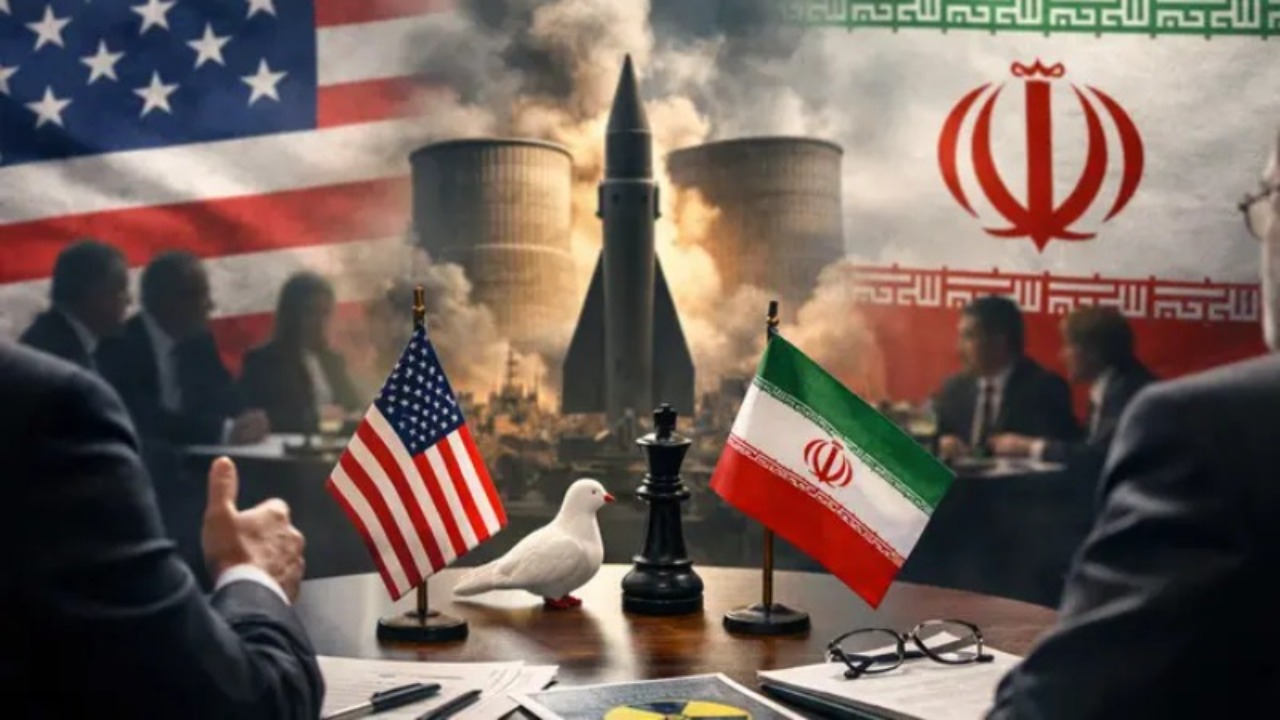
Tehran ; Tensions in the Middle East have escalated as Iran continues drone and missile attacks on Gulf countries, including Saudi Arabia, UAE, Kuwait, Bahrain, and Jordan. These nations have openly supported the United States and Israel in regional disputes with Tehran, drawing the ire of the Iranian regime.
Political, Security, and Regional Competition
Most Gulf states support the U.S. primarily due to political calculations, security concerns, and regional rivalry with Iran. Iran’s Shia-majority influence in the region, through groups in Yemen, Syria, Iraq, and Lebanon, is perceived as a direct threat by Sunni-majority states like Saudi Arabia, UAE, Qatar, Kuwait, and Bahrain.
Economic Dependence on the U.S.
The Gulf economies are heavily dependent on crude oil exports, foreign trade, and investments linked to Western markets, particularly the U.S. Oil transactions are predominantly in dollars, making U.S. sanctions or conflict a significant economic risk. Historical examples, such as the 2008 financial crisis, saw Gulf real estate values plummet due to such vulnerabilities.
Strategic Partnerships and Symbolic Ties
Diplomatic and personal ties also reinforce this alignment. For instance, Qatar gifted a $400 million Boeing 747 to former U.S. President Donald Trump, highlighting the strategic closeness of Gulf nations with Washington.
Tourism and Social Stability
Countries like UAE, Saudi Arabia, Qatar, and Kuwait also rely heavily on expatriate populations and tourism. Unlike Iran, where religious conservatism dominates governance, these nations limit the role of religious authorities to maintain social and economic stability.
Iran’s Military Expansion
Despite economic challenges, Iran has prioritized defense spending, developing advanced weapons and nuclear ambitions. This expansion raises alarm across the region. Iranian support for groups like Hamas, Hezbollah, and the Houthis has further heightened security concerns among Gulf states.
The U.S. maintains strategic bases to safeguard allies and regional trade:
These bases ensure rapid response, protect vital shipping lanes, and maintain regional stability.