Middle east tensions trigger fuel panic buying in Bengaluru; flight services disrupted

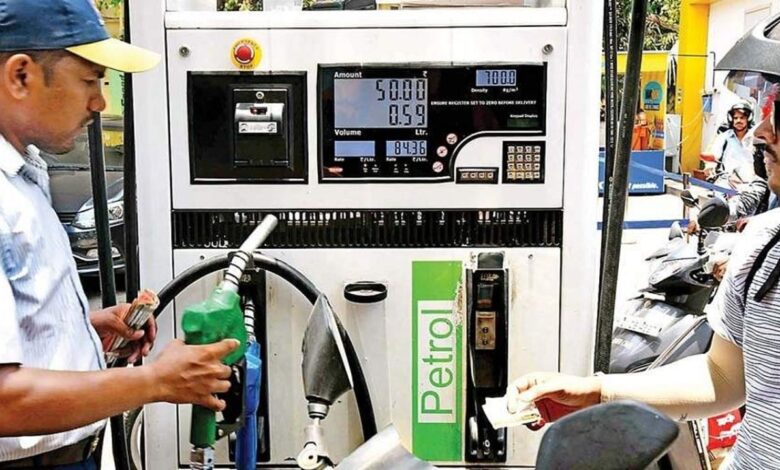
Bengaluru: Rising tensions between Iran and Israel in West Asia have begun to impact global energy markets, triggering concerns over fuel supply and price hikes in India. Amid fears that petrol and diesel prices may soar or supplies could be disrupted, many residents in Bengaluru have rushed to petrol bunks to stock up on fuel.
At several fuel stations across the city, motorists were seen filling not only their vehicles but also storing petrol in plastic bottles and large cans. The rush follows reports that international crude oil prices are climbing sharply due to geopolitical tensions in the Middle East.
Global benchmark Brent crude oil has been witnessing a steady surge, with analysts warning that prices could cross $150 per barrel if the conflict intensifies. Since India depends heavily on oil imports from Gulf nations and Iran, any prolonged disruption could lead to a steep rise in domestic fuel prices.
However, some members of the state petroleum dealers’ association have urged the public not to panic. They pointed out that India is currently receiving crude oil supplies from Russia and other countries, which could help cushion the impact of disruptions in the Middle East.


Officials also noted that the country has additional refining capacity, including facilities in Odisha and Mangaluru, which could ease pressure on fuel supplies. They advised motorists not to crowd petrol stations unnecessarily.
Major oil marketing companies such as Indian Oil Corporation Limited, Bharat Petroleum Corporation Limited and Hindustan Petroleum Corporation Limited are currently absorbing part of the rising cost burden to prevent sudden fuel price shocks for consumers, government sources said.
Energy experts warn that nearly one-fifth of the world’s petroleum supply passes through the strategic Strait of Hormuz, which is influenced by Iran. If tensions escalate further, disruptions in this route could destabilise global oil markets.
India maintains strategic petroleum reserves that can support fuel supply for several weeks during emergencies, but experts say they are not sufficient for prolonged disruptions. Analysts suggest that India must diversify crude oil imports by strengthening ties with suppliers in Africa, Russia and the United States.
Meanwhile, the geopolitical tensions have also affected aviation services. At Kempegowda International Airport, at least 19 flights were cancelled on Monday due to the uncertain situation in West Asia. These included nine incoming and 10 outgoing flights, particularly those connecting cities such as Abu Dhabi, Riyadh, Jeddah, Dammam, Dubai and Doha.
Airport authorities indicated that if tensions persist, further disruptions to international flight services could occur in the coming days.