Karnataka Plans Tighter Rules for Coaching Centres and Private Schools
Karnataka government is considering education reforms covering coaching centres, private school fees, curriculum and examinations, with public feedback sought on safety, registration, teacher qualifications and student welfare.

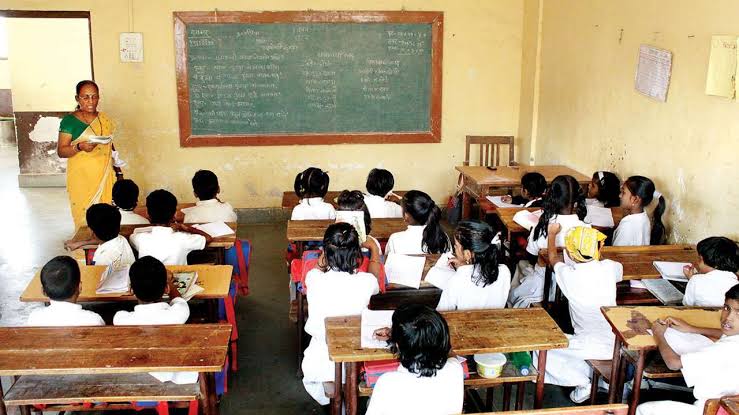
The Karnataka government is preparing a broad set of education reforms, with a particular focus on regulating coaching centres and addressing concerns around private school fees. A subcommittee formed for education reforms is now seeking suggestions from education experts, parents and members of the public before preparing its recommendations.
The proposed changes are not limited to coaching institutions. The government is also examining issues related to school fees, classroom strength, curriculum and examination methods. The aim is to identify long standing concerns in the education system and recommend rules that can address them in a practical way.
Coaching centres have emerged as one of the major areas under discussion. Many institutions operate under names such as tutorials, academies and study centres, offering training to school students as well as candidates preparing for CET, NEET and JEE examinations. While coaching has become an important part of the education ecosystem, concerns have also been raised about centres operating without proper registration or adequate safety arrangements.
The reform panel is therefore considering whether registration should become compulsory for every coaching centre operating in the state. The proposal could also bring buildings used for coaching under stricter safety requirements, including necessary fire safety arrangements.

Another issue being examined is the number of students allowed in a single classroom. Limiting classroom strength could become part of the proposed framework if the committee believes it is necessary for maintaining better learning conditions and student safety.
The timing of coaching classes is also attracting attention. The committee is seeking views on whether coaching centres should be prevented from conducting parallel classes during regular school hours. The issue is being considered as part of the wider discussion on protecting school time and ensuring that students are not subjected to overlapping academic schedules.
Teacher qualifications at coaching centres are another proposed area of regulation. The government is seeking opinions on whether minimum educational qualifications should be prescribed for teachers working in such institutions. Such a requirement could bring greater consistency in the quality of teaching offered by different coaching centres.
Fees and financial transparency are also part of the discussion. The committee is considering whether coaching centres should be required to provide receipts for fees collected from students. Rules related to refunds are also being examined, along with possible action against advertisements that make misleading or unverified claims about academic results.
The discussion comes at a time when coaching has become increasingly important for students preparing for competitive examinations. Families often spend significant amounts on additional classes, making transparency in fee collection and basic accountability important concerns for parents.
At the same time, the proposed education reforms are looking beyond coaching institutions. Private school fees are another major issue being considered by the government. The committee is collecting views on whether stronger measures are needed to address excessive fee demands and bring greater clarity to the fee structure.
The number of students in each class at private schools is also under consideration. A limit on classroom strength could be examined alongside changes to the curriculum and examination system. The government is seeking suggestions on whether the existing academic structure needs modification to better reflect the needs of students.
Changes to examinations are expected to be another important part of the reform discussion. The committee will examine suggestions from educators, parents and the public before deciding what recommendations should be included in its final report.
The process is being led by the education department under the leadership of Education Minister Madhu Bangarappa. Rather than immediately introducing new rules, the government is collecting views from different groups involved in education.
The suggestions received from parents, education experts and members of the public are expected to be studied and consolidated by the education reform subcommittee. The committee will then prepare a comprehensive recommendation report for the government.
Any new laws or regulations would be considered based on the recommendations made in that report. This means the proposals currently under discussion are part of the consultation process and may be modified after feedback is reviewed.
For students and parents, the proposed changes could have a direct impact on how coaching institutions operate and how certain private school practices are regulated. For coaching centre operators, requirements involving registration, safety, teacher qualifications, fee receipts and advertising could bring additional responsibilities if they are eventually adopted.
The government is also expected to weigh the practical impact of any proposed regulation before moving towards implementation. Balancing student safety and transparency with the functioning of schools and coaching institutions will be an important part of the reform process.
With feedback now being gathered on several issues, the education reform exercise could become a significant step in shaping new rules for Karnataka schools and coaching centres. The final direction will depend on the recommendations submitted by the subcommittee and the decisions taken by the government afterward.