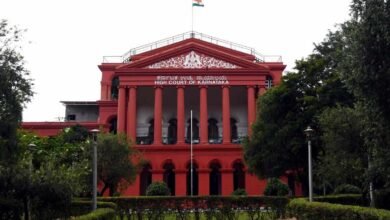
Karnataka Government Parks Face New Land Use Rule Amid Bengaluru Opposition
A proposed change to Karnataka’s government parks law could allow limited land use for public projects, but Bengaluru residents fear the move may reduce precious green spaces.


Karnataka government parks may see limited land use.
Bengaluru residents oppose commercial use of parks.
The proposed amendment allows up to five percent land use.
The Karnataka Cabinet has approved a proposed amendment to the Karnataka Government Parks Conservation Act 1975, opening the door for limited use of government park land for public and horticulture related purposes.

The proposal is expected to be introduced during the ongoing Assembly proceedings. Under the amendment, up to five percent of the total area of government parks could be made available for specified public purposes, subject to government approval and an assessment process.
The proposed change has already triggered concern in Bengaluru, where residents have raised questions over the future of the city’s green spaces. Citizens fear that allowing park land to be transferred or leased could gradually reduce areas available for recreation, walking and other public activities.
Under the proposed framework, government departments, statutory authorities, government companies and local bodies could seek access to a portion of park land for their requirements. However, the government would first have to assess the need for the land and the likely impact of the proposed use.
A formal evaluation mechanism is also part of the proposal. Officials and experts working under the leadership of the Additional Chief Secretary would assess requests before recommendations are made regarding the transfer or use of the land.
The five percent ceiling is significant because it is proposed to cover land transferred in the past as well as future transfers. The government says this approach would help protect the remaining park area and its natural ecosystem.
Land required by the Horticulture Department for administrative work and certain routine development activities would reportedly remain outside the five percent restriction.
The amendment also proposes provisions for selected horticulture projects. Small portions of horticulture land could potentially be used for facilities such as post harvest processing units, cold storage centres, improved variety production facilities and agriculture based industries that directly benefit local farming communities.
Such projects, however, would need supporting documents demonstrating public interest and an urgent requirement for the land.
For Bengaluru residents, the bigger issue is whether even a limited relaxation could eventually put more pressure on the city’s parks. These spaces are used daily by children, walkers, senior citizens and people exercising, making them an important part of neighbourhood life.
Residents have therefore urged the government to ensure that the proposed five percent provision does not become a route for commercialisation. They want existing green areas protected and say public parks should continue to remain accessible for community use.