

Apple May Use 3D Printed Hinge to Reduce Crease in Upcoming Foldable iPhone
Apple is reportedly testing advanced hinge design using 3D printing technology to minimize display crease as company prepares to enter fast growing foldable smartphone segment with premium hardware innovation

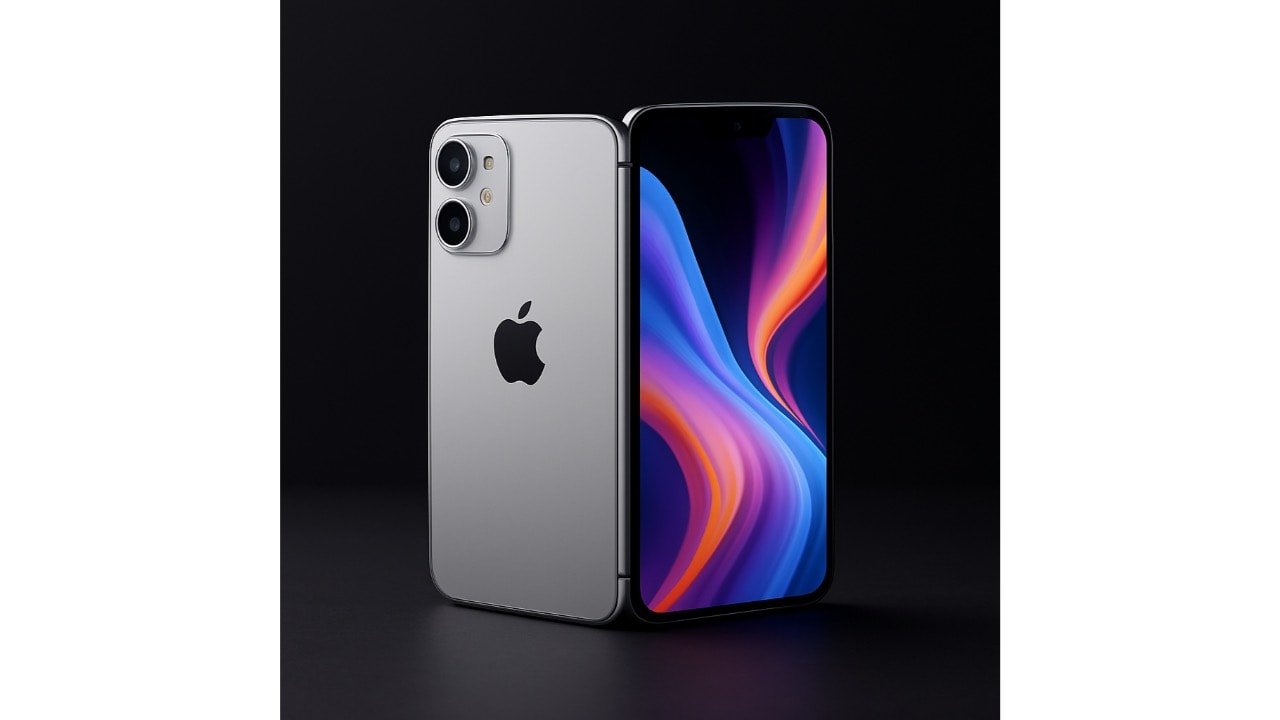
As competition intensifies in the foldable smartphone market, Apple is reportedly working on a new approach to tackle one of the biggest challenges in foldable devices, the visible crease on the display. Industry leaks suggest the company may rely on 3D printed hinge technology to improve durability and screen smoothness in its first foldable iPhone.
The device, widely expected to be called the iPhone Fold or possibly iPhone Ultra, could mark Apple’s long anticipated entry into the foldable segment. While the company has not officially confirmed the product, reports indicate it may be introduced alongside a future iPhone lineup.
According to details shared on Weibo by tipster Fixed Focus Digital, Apple is exploring the use of 3D printed components in the hinge mechanism. This approach could help reduce the gap beneath the folding area, a key factor that contributes to the crease seen on most foldable displays.
Interestingly, Apple is not entirely new to this manufacturing technique. The company has previously used 3D printing in select components, including parts of its smartwatch lineup and certain internal structures. Applying the same concept to a hinge could allow for more precise engineering and better structural control.


The move appears to be influenced by developments in the industry. Recently, Oppo showcased its foldable innovation with the Oppo Find N6, where a 3D printed polymer layer was used to fill the gap beneath the display crease. The company claimed this design significantly reduced the visibility of the fold line, bringing it close to a near invisible finish.
Apple’s version is expected to go further by combining advanced materials with a redesigned hinge system. Reports suggest the foldable iPhone may feature a dual layer glass structure, where the display sits between two ultra thin glass sheets. This could improve both flexibility and durability while maintaining a premium feel.
On the hardware front, the device is rumored to include a next generation processor built on a 2 nanometer process, which could deliver improved performance and efficiency. In addition, Samsung Display is likely to play a key role in supplying panels, with reports indicating a large scale order that hints at Apple’s confidence in demand.
The display configuration itself is expected to resemble a hybrid between a smartphone and a tablet. The inner screen could measure around 7.58 inches, while the outer display may be about 5.25 inches. When unfolded, the interface may function similarly to an iPad, allowing users to run two apps side by side, a feature not currently available on standard iPhones.
Another area of focus is usability. The improved hinge design is expected to make folding smoother and more reliable over time, addressing concerns about wear and tear that have affected earlier foldable devices in the market.
With the foldable category growing rapidly, Apple’s entry could reshape the segment, especially if it manages to solve long standing issues like display creasing. While official details remain under wraps, the use of 3D printing in such a critical component signals a shift toward more experimental and precise manufacturing techniques in future smartphones.