Census 2027 Preparations Underway as Government Releases 33 Questions and Issues Scam Alert
Census 2027 in India will feature a two-phase approach including house listing and self-enumeration with 33 questions, while authorities warn citizens about potential online and call-based frauds.

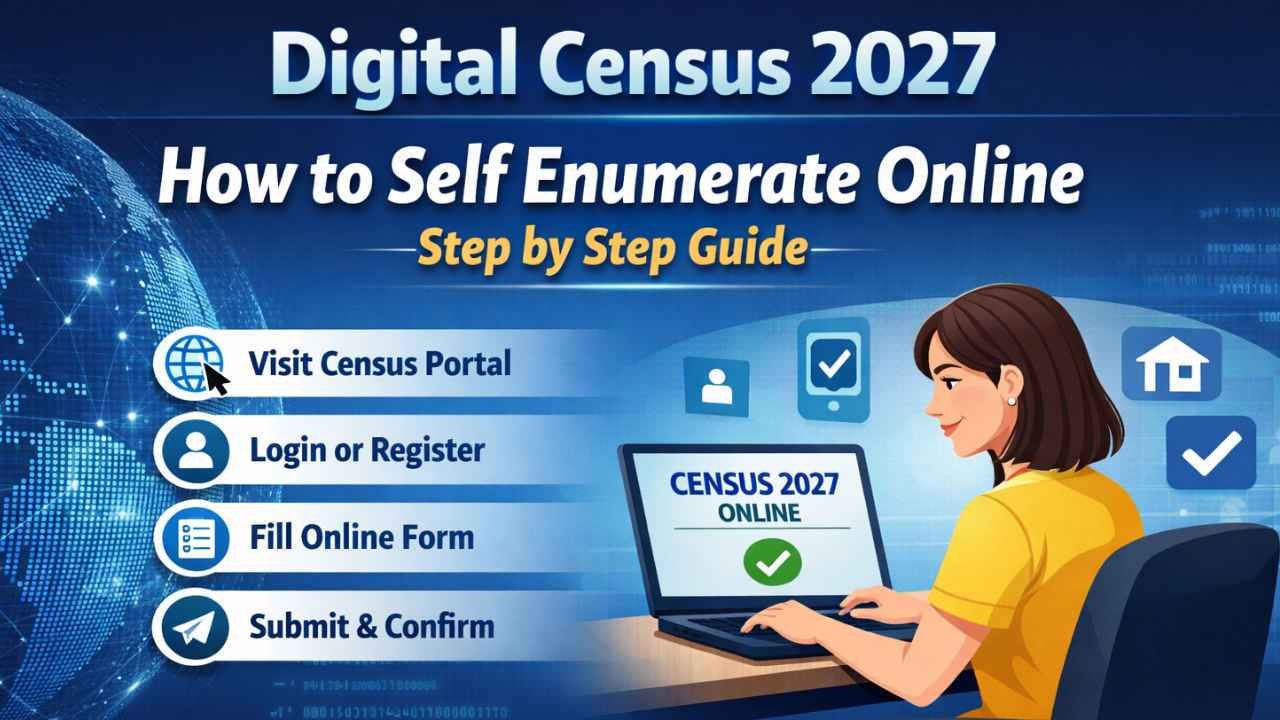
The Indian government has accelerated preparations for Census 2027, with the first phase focusing on house listing and self-enumeration. Citizens will now have the option to submit their household details online through a portal available in 16 languages, making participation easier and more accessible.
The Registrar General and Census Commissioner of India has clarified that the first phase will collect basic information about households and their amenities. This will include details such as house number, construction materials for floors, walls, and roofs, household usage, condition of the house, and ownership status. Family-related questions will also be asked, covering the number of family members, head of household, gender, caste category, and marital status.
Additional questions aim to gather data on utilities and assets, including drinking water source and availability, lighting, toilet facilities and type, drainage, bathing amenities, kitchen fuel type, LPG or PNG availability, radio, TV, internet, laptops, phones, and vehicles. Citizens will also be asked about the main grain consumed and a mobile number for contact purposes. These questions are designed solely to understand living standards and infrastructure needs across the country.
With any large-scale data collection, there is an increased risk of fraud. Officials have warned that scammers may pose as census officers to collect financial information or lure people into clicking malicious links via calls, SMS, or emails. Citizens should remain vigilant as real census enumerators will never ask for bank details, OTPs, or other financial data.


A significant new feature in Census 2027 is self-enumeration, allowing citizens to fill out their household details on the official portal independently. Users can select their state, verify their mobile number via OTP, choose their preferred language, and submit information. Once submitted, an 11-digit ID is generated, which may later be shown to enumerators. The portal also allows entries to be saved as drafts and edited within the given timeframe, making the process more convenient and accurate.
Authorities have emphasized online safety measures, advising people not to click on suspicious links or download forms or apps from WhatsApp, SMS, or unverified sources. Identity verification of anyone claiming to be a government official is essential before sharing any information. By being aware of these precautions and understanding the actual questions asked, citizens can participate safely and ensure accurate data collection during Census 2027.