Apple Explores 3D-Printed Hinges to Minimize Crease in Upcoming Foldable iPhone
Apple is preparing to enter the foldable smartphone market with the iPhone Fold, featuring advanced 3D-printed hinge technology, dual-layer glass, and a large flexible display for multitasking like an iPad.

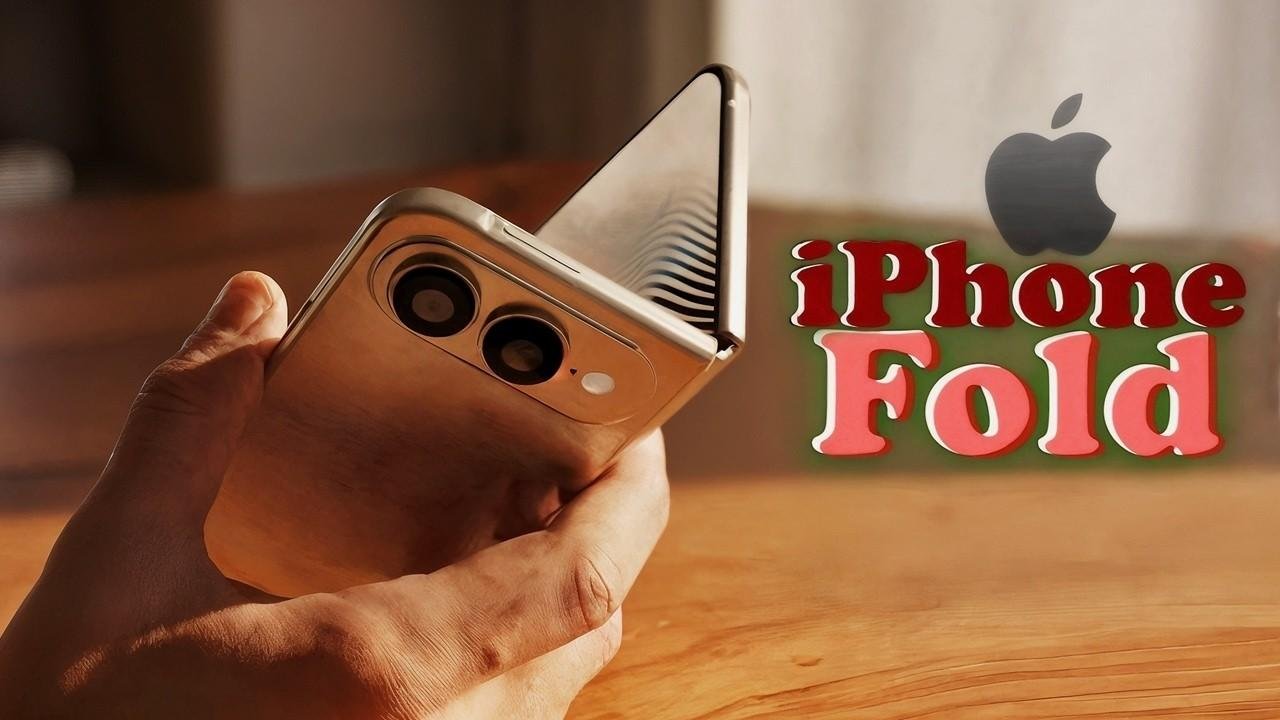
Apple is gearing up to make its debut in the foldable smartphone segment, with a device that could be named the iPhone Fold or iPhone Ultra. This new model is expected to launch alongside Apple’s standard iPhone lineup later this year, marking the company’s first serious attempt at a foldable design.
Recent leaks on the Chinese microblogging platform Weibo by tipster Fixed Focus Digital suggest that Apple may use 3D-printed technology for the hinge mechanism. This innovation aims to reduce the crease that typically appears on foldable displays, creating a smoother user experience. Apple has previously experimented with 3D printing for its Apple Watch cases and the USB Type-C port on the iPhone Air, demonstrating the company’s growing interest in the technology.
The hinge design could incorporate dual-layer UTG and UFG glass, placing the display between two ultra-thin sheets of glass. This setup, combined with an updated hinge mechanism, would allow the device to fold more smoothly while minimizing visible creases on the screen. Similar methods were recently used by Oppo in its foldable Find N6, where a 3D-printed polymer filled the space beneath the display crease, resulting in a nearly invisible crease.
According to reports, the iPhone Fold is expected to feature Apple’s upcoming processor built on a 2nm process, promising high efficiency and performance. Samsung Display is reportedly manufacturing around 20 million panels for Apple, signaling strong anticipated demand for the foldable iPhone. Production of these flexible displays could begin as early as May.


In terms of display, the iPhone Fold is rumored to have a 7.58-inch inner screen and a 5.25-inch outer display. The unfolded interface may resemble an iPad, allowing users to run two apps side by side simultaneously—a capability current iPhones do not offer. This multitasking feature, combined with the minimized crease and improved hinge design, could make the iPhone Fold a compelling entry into the expanding foldable market.
Apple’s move toward foldables reflects the broader industry trend of experimenting with flexible devices, and the combination of 3D-printed hinge technology, dual-layer glass, and large screens could position the iPhone Fold as a premium competitor in this rapidly evolving segment.