India Tightens Surveillance Rules with Ban on Uncertified Foreign CCTV Devices
Government enforces strict certification rules on internet connected CCTV cameras to boost cybersecurity prevent data risks and ensure safer surveillance systems across cities offices and residential areas nationwide

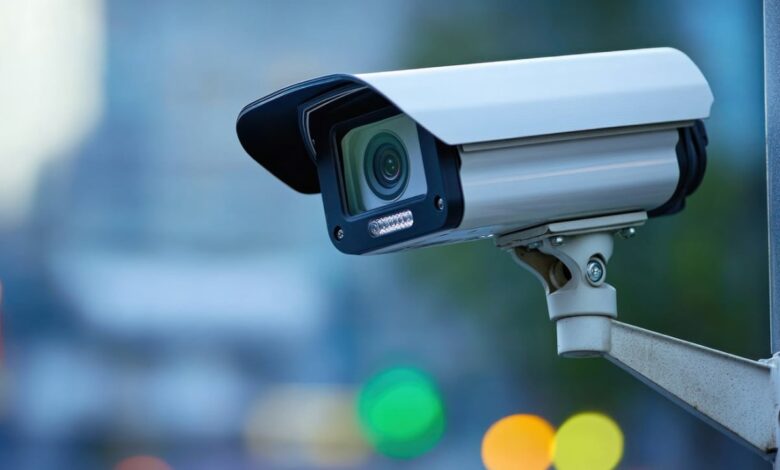
In a significant move aimed at strengthening digital security, the Indian government has enforced new restrictions on the sale of uncertified internet connected CCTV cameras starting April 1. The decision is expected to impact several foreign manufacturers, particularly Chinese brands that have been widely used across the country.
Under the updated framework, all CCTV devices must now undergo mandatory testing and certification before they can be sold in India. This process falls under the Standardisation Testing and Quality Certification system, which ensures that surveillance equipment meets strict safety and cybersecurity benchmarks.
The new rules effectively block the sale of non compliant products, including devices manufactured by companies such as Hikvision and Dahua Technology. Even other global brands like TP Link are affected if their products fail to meet the certification requirements. The move signals a broader push by authorities to regulate connected devices that have access to sensitive networks.
Officials have highlighted growing concerns around cybersecurity threats linked to surveillance equipment. As CCTV cameras become more common in public and private spaces, the risk of hacking, data leaks, and unauthorized access has also increased. Authorities believe that poorly secured devices can act as entry points for cyberattacks, potentially exposing critical infrastructure and personal data.


To address these risks, the government has laid out clear technical standards. Devices must not include hidden backdoors or hardcoded login credentials. They are also required to support secure firmware updates and use strong encryption to protect data transmission. Additionally, both hardware and software must be designed to prevent tampering.
The move comes at a time when surveillance infrastructure is rapidly expanding across Indian cities. From traffic management to residential security, CCTV systems are now a common sight. In the capital alone, hundreds of thousands of cameras have been installed in public areas, making security compliance more critical than ever.
India is not alone in taking such measures. Several countries have introduced similar restrictions or guidelines to ensure that surveillance technology does not become a vulnerability. The focus globally is shifting toward building secure ecosystems where connected devices cannot be easily exploited.
With these new regulations in place, the government aims to create a safer digital environment while maintaining the benefits of widespread surveillance. Industry players are now expected to adapt quickly, ensuring that their products meet the required standards before entering the Indian market.