
Ranveer singh to file affidavit apologising in Kantara controversy, informs high court

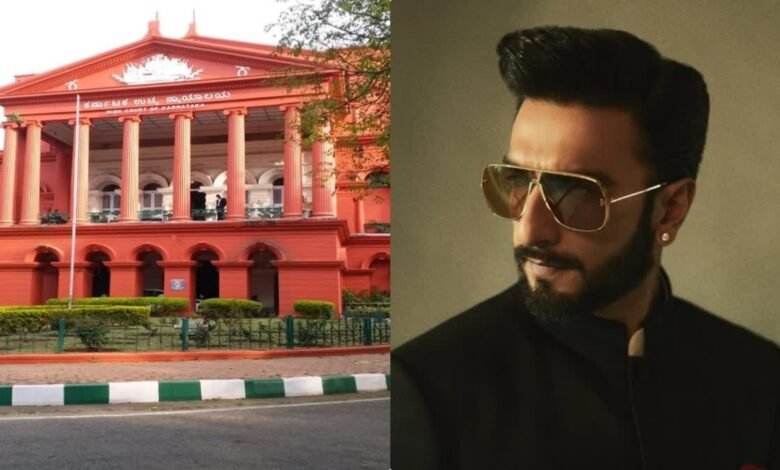
Bengaluru : Bollywood actor Ranveer Singh has informed the Karnataka High Court that he will submit an affidavit apologising over the controversy related to alleged remarks on a divine character from the film Kantara Chapter-1. He has also undertaken to visit a temple as part of expressing regret.
The submission was made before a bench headed by Justice M. Nagaprasanna during the hearing of a petition filed by the actor seeking quashing of a private complaint and FIR registered against him at High Grounds Police Station.
The case stems from allegations that Ranveer Singh made objectionable gestures and remarks about the Chamundi Daiva character associated with Kantara Chapter-1 during the International Film Festival of India (IFFI) held in Goa.

During the hearing, counsel representing the actor told the court, “Ranveer Singh will submit an affidavit tendering an unconditional apology. He will also visit the concerned temple. A suitable date for the visit will be communicated to the court.”
However, the complainant’s counsel argued that the apology issued earlier on social media lacked sincerity. “He has tweeted an apology on X, but it does not reflect genuine remorse. It appears to have been posted by his managers. Since the alleged insult was verbal, he must offer a direct and oral apology,” the counsel contended.
Responding to the submissions, the bench questioned the necessity of further demands. “If he is ready to file an affidavit apologising, what more is required? Should he come here and apologise in person?” the court observed.
At the same time, the court made it clear that it does not endorse the actor’s alleged conduct. “What he has done is not right. We do not support it. There must be a sense of remorse. Actors have a powerful influence on society,” the bench remarked.
Taking note of the assurance given by the actor’s counsel, the court recorded the submission and adjourned the matter to April 10 for further hearing. The case has sparked debate over freedom of expression, religious sentiments, and the accountability of public figures, particularly in the context of culturally sensitive subjects portrayed in cinema.



