Gas shortage halts power generation at Yelahanka plant

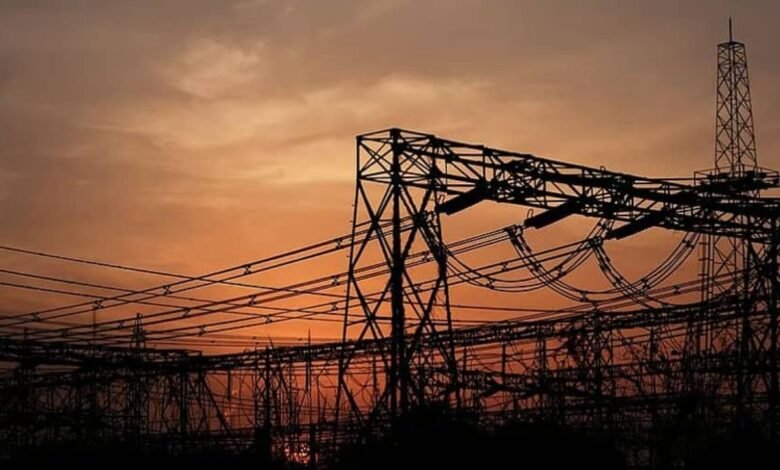
Bengaluru: Power generation at the 370-MW gas-based power plant located in Yelahanka has been halted after the supply of natural gas to the facility was completely stopped. The disruption in gas supply is likely to impact electricity production and may create challenges in maintaining uninterrupted power supply in parts of the state, particularly in the state capital Bengaluru.
According to sources in the power sector, the suspension of gas supply follows developments in West Asia that have led to a shortage of natural gas across the country. As part of measures taken by the Union government to manage the limited availability of natural gas, supplies to certain sectors have been curtailed.
The gas supply to the Yelahanka gas-based power station was initially reduced by around 20 per cent. However, the Gas Authority of India Limited has now completely stopped the supply of natural gas to the plant from Thursday, forcing the authorities to suspend electricity generation at the facility.


Karnataka currently has a daily electricity demand of nearly 355 million units, and power utilities have been managing supply accordingly. In the capital city of Bengaluru alone, the demand for electricity has touched nearly 6,000 MW during peak hours.
To ensure uninterrupted electricity supply, the state government has been generating power from all available sources. Thermal power stations, hydroelectric plants, solar parks and wind energy projects across the state are being utilised to meet the growing demand. In addition, the state is drawing electricity from the central grid to stabilise the supply.
The Yelahanka gas-based power plant was set up primarily to strengthen power supply to Bengaluru and surrounding areas. Since December last year, the plant had been generating electricity continuously and playing a key role in meeting peak demand in the city.
However, the ongoing shortage of natural gas has forced the suspension of operations at the plant. Energy department officials say that while alternative sources are currently helping to maintain supply, the situation may become challenging if demand rises further in the coming weeks.
Apart from domestic generation, Karnataka is also procuring power through exchange arrangements with states such as Punjab, Uttar Pradesh and Haryana to bridge the demand-supply gap.
Sources indicated that the Union government has prioritised natural gas supply for household LPG consumption amid the nationwide shortage. The transport and fertiliser sectors have been placed in the second priority category, while the power generation sector has been given the lowest priority for gas allocation.
Energy experts warn that if the gas shortage persists and power demand continues to rise during the summer months, the state may face increased pressure in maintaining stable electricity supply.