Karnataka Forms Three Committees for Police Service Reforms
Karnataka Home Department has formed three expert committees to review police services, modernisation, recruitment and cadre rules, aiming to improve technology, efficiency, transparency and public service across the state overall.

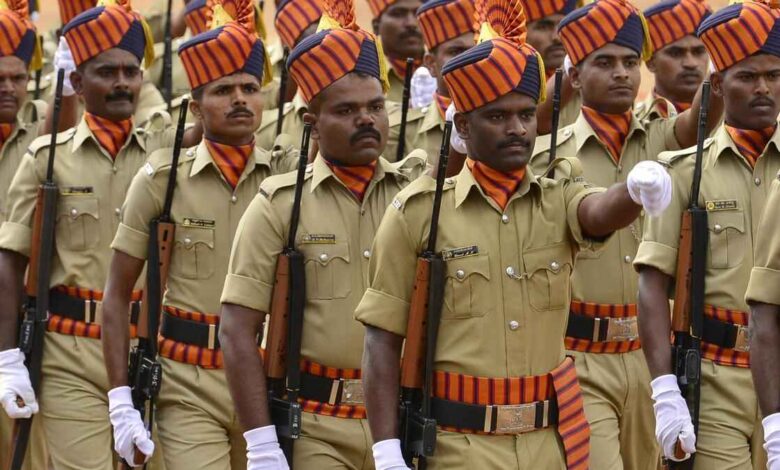
The Karnataka Home Department has launched a broad review of the state police system by setting up three expert committees to examine public services, modernisation and the department’s staffing structure.
The three panels will be headed by retired senior police officers R K Dutta, M N Reddi and Kamal Pant. Each committee has been given a separate area of responsibility, with recommendations expected to help shape future changes in the police department. The panels have been given two months to submit their reports.
The move comes as the police department faces changing demands from growing cities, cybercrime, technology driven offences and increasing expectations from the public. The government has said the exercise is intended to make policing more efficient, transparent, responsive and citizen focused.
The first committee, headed by retired DGP R K Dutta, will examine the quality and delivery of police services available to people across Karnataka. Its review will cover several services that citizens regularly use when dealing with the police.

These include registering FIRs, submitting complaints, accessing emergency services, reporting lost property and filing cybercrime complaints. The panel will also look at permissions, certificates and the functioning of police stations.
The committee is expected to examine whether these services are being provided within reasonable time and whether people can access them easily. It will also consider performance indicators and regular review mechanisms to measure the quality of services.
Another proposal under consideration is a Citizens Charter for police services. Such a framework could specify the procedure and expected time for different services, giving citizens clearer information about what they can expect when approaching the police.
The second committee, led by retired DGP M N Reddi, will concentrate on police modernisation. The panel will assess whether the department has the infrastructure, equipment and technological capabilities needed to deal with emerging challenges.
Technology will be a major part of this review. The committee will examine areas such as artificial intelligence, cyber capabilities, computerisation, communication equipment and other technology that could support police work.
Emergency response systems will also come under examination. The panel will look at control rooms and the 112 emergency service, along with the possible improvement of response mechanisms.
Forensic infrastructure, police vehicles and other mobility requirements are also expected to be reviewed. The committee will assess existing facilities, identify urgent gaps and prepare a broader modernisation plan that can be implemented in stages.
The third panel, headed by retired DGP Kamal Pant, will focus on the police department’s cadre structure and recruitment system.
This committee will examine the number and classification of posts, existing staffing requirements and recruitment rules. The review is intended to determine whether the present workforce structure matches the department’s current workload and the responsibilities it may face in the coming years.
Recruitment procedures and eligibility conditions will also be studied. The panel will consider training, professional development, promotion opportunities and career progression for police personnel.
The committee will also examine whether new posts need to be created or existing positions reclassified. Its work will include looking at mobility within the police hierarchy and preparing recommendations for future recruitment.
The three committees therefore cover different parts of the police system. The Dutta panel will concentrate on the services experienced directly by citizens, while the Reddi panel will examine infrastructure and technology. The Pant panel will deal mainly with personnel, recruitment and organisational structure.
The reform exercise comes at a time when policing requirements are changing rapidly. Cybercrime and financial fraud have become more prominent, while police departments are increasingly expected to use digital systems, data and technology during investigations and public service delivery.
Karnataka has already been considering additional measures to strengthen technology based policing. Earlier this month, the state government discussed the proposed Karnataka Urban Policing Innovation Centre, which is intended to develop solutions for modern policing challenges in Bengaluru and other cities.
The proposed innovation centre is expected to examine areas including cybercrime, women and child safety, narcotics, criminal surveillance, investigation, personnel deployment and police welfare. Officials have said the idea is to develop solutions suited to the specific requirements of Karnataka rather than relying only on generic systems.
The new committees could add another layer to this wider effort by examining the police system from administrative, technological and public service perspectives.
For citizens, the most visible changes could come through improvements in complaint registration, emergency response, police station services and digital access. For police personnel, the recommendations could affect training, recruitment, career progression, equipment and working arrangements.
The government has not yet announced which recommendations will ultimately be accepted or when specific changes will be implemented. The immediate task for the three panels is to study the existing system, identify shortcomings and submit their recommendations within the assigned period.
The outcome of the exercise could provide the state with a detailed roadmap for changes in police service delivery, modernisation and human resource management. The focus will be on creating a police system that can respond to current challenges while preparing for the demands of the future.