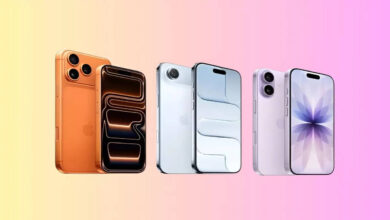
iPhone 18 Pro vs iPhone 17 Pro Key Differences Explained
iPhone 18 Pro brings the newer A20 Pro chip, iOS 27 and updated camera features, but the iPhone 17 Pro still offers a similar display, connectivity and premium hardware package.

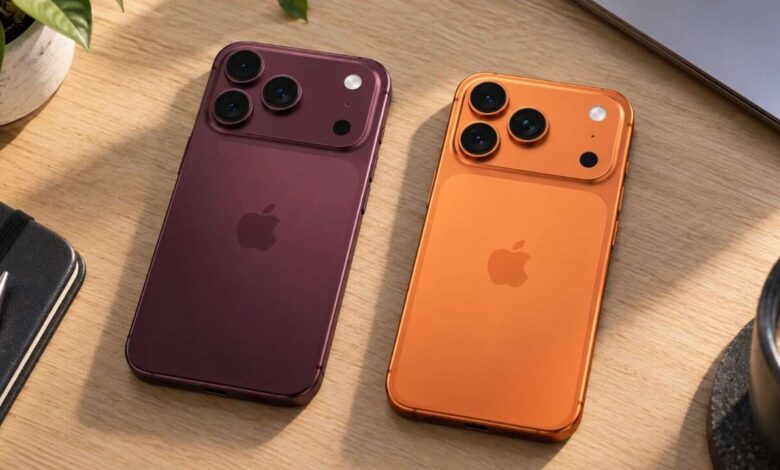
Apple has officially introduced the iPhone 18 Pro, giving buyers another premium option in the company’s Pro lineup. However, the previous generation iPhone 17 Pro remains available as an alternative, making the comparison important for anyone deciding whether the newer model is worth the higher price.
At first glance, the two phones have several similarities. Both feature a 6.3 inch Super Retina XDR OLED display with a 120Hz refresh rate and up to 3000 nits peak brightness. The screen resolution is also listed at 2622 by 1206 pixels on both models.
The biggest hardware change comes inside the phone. The iPhone 18 Pro uses Apple’s newer A20 Pro processor, while the iPhone 17 Pro is powered by the A19 Pro. The newer chip is expected to provide improvements in processing performance and efficiency, although the difference will depend on the type of workload and applications being used.
Software is another clear point of separation. The iPhone 18 Pro runs on iOS 27, while the iPhone 17 Pro operates with iOS 26. As with previous generations, the older Pro model should continue receiving software updates, but the newer device starts with the latest operating system.


Pricing shows a much bigger difference. The iPhone 18 Pro starts at Rs 164900 for the 256GB version. The 512GB model costs Rs 189900, while the 1TB variant is priced at Rs 239900. The top 2TB version reaches Rs 314900.
The iPhone 17 Pro launched at Rs 134900 for 256GB storage and Rs 154900 for 512GB storage. This makes the previous generation considerably cheaper at its original launch prices, particularly for buyers who do not need the latest processor or additional storage options.
Camera hardware remains strong on both generations, although the iPhone 18 Pro introduces a notable change to its primary camera. The newer model features a 48 megapixel Fusion primary camera with variable aperture, along with 48 megapixel ultra wide and 48 megapixel telephoto cameras.
The iPhone 17 Pro also has a triple 48 megapixel rear camera arrangement. Its setup includes a 48 megapixel Fusion main camera with an f/1.78 aperture, a 48 megapixel Fusion ultra wide camera with an f/2.2 aperture and a 48 megapixel Fusion telephoto camera with an f/2.8 aperture.
For selfies and video calls, there is less of a difference on paper. Both smartphones use an 18 megapixel front camera. The iPhone 17 Pro lists an f/1.9 aperture for its front camera, while the iPhone 18 Pro continues with an 18 megapixel front camera system.
The physical dimensions are also almost identical. The iPhone 18 Pro measures 150mm in height, 71.9mm in width and 8.75mm in thickness. It weighs 211 grams.
The iPhone 17 Pro has the same 150mm height, 71.9mm width and 8.75mm thickness. Its weight is slightly lower at 204 grams. In practical terms, users moving between the two models should not expect a major difference in overall size.
Connectivity is similarly well equipped. The iPhone 18 Pro supports 5G, WiFi 7, Bluetooth 6, NFC, GPS and a USB Type C port. The iPhone 17 Pro also offers 5G, WiFi 7, Bluetooth 6, GPS and USB Type C connectivity, along with eSIM support.
This means the newer model does not represent a dramatic change in every category. The display specifications are largely unchanged, the physical dimensions remain the same and both phones offer modern wireless connectivity.
The more noticeable improvements are concentrated around the processor, operating system and camera technology. The variable aperture on the iPhone 18 Pro’s primary camera is particularly interesting because it gives the camera system a hardware change beyond simply increasing megapixel numbers.
Storage is another area where Apple has expanded the choice. While the iPhone 17 Pro was offered with 256GB and 512GB options at launch, the iPhone 18 Pro goes up to 2TB. That larger capacity may appeal to users who regularly record high resolution videos or keep large amounts of content on their phones.
For someone buying a new Pro model today, the choice ultimately comes down to priorities. The iPhone 18 Pro offers newer hardware and the latest software, while the iPhone 17 Pro can make more sense for buyers who want a premium iPhone experience without paying the newer model’s higher starting price.
The comparison also shows that upgrading from an iPhone 17 Pro to an iPhone 18 Pro may not feel revolutionary in every area. The screen, dimensions and basic connectivity remain close, while the more meaningful differences are found in processing, software, camera features and storage choices.
For users already owning the iPhone 17 Pro, the decision to upgrade will therefore depend heavily on whether the newer camera capabilities and A20 Pro processor justify the additional spending. For first time Pro buyers, however, the iPhone 18 Pro offers the advantage of starting with Apple’s latest generation hardware.