KPSC Veterinary Officer Recruitment Case Reveals Over Rs 5 Crore Transactions
The CID investigation into the KPSC veterinary officer recruitment case has reportedly uncovered transactions exceeding Rs 5 crore, with officials examining bank transfers and questioning hundreds.

The investigation into alleged irregularities in the Karnataka Public Service Commission veterinary officer recruitment has intensified, with the Criminal Investigation Department reportedly tracing financial transactions worth more than Rs 5 crore. Investigators are examining bank accounts, cash movements and the possible flow of money linked to the recruitment process.
Sources cited in the case indicate that around Rs 85 lakh was transferred through different bank accounts. A significant portion of the alleged financial activity may have taken place through cash transactions, although the investigation is still underway and the complete picture is yet to emerge.
The financial trail has become an important part of the CID probe as investigators attempt to establish how money may have moved between individuals connected with the recruitment process. Officials are also checking whether the transactions were directly connected to the alleged irregularities.
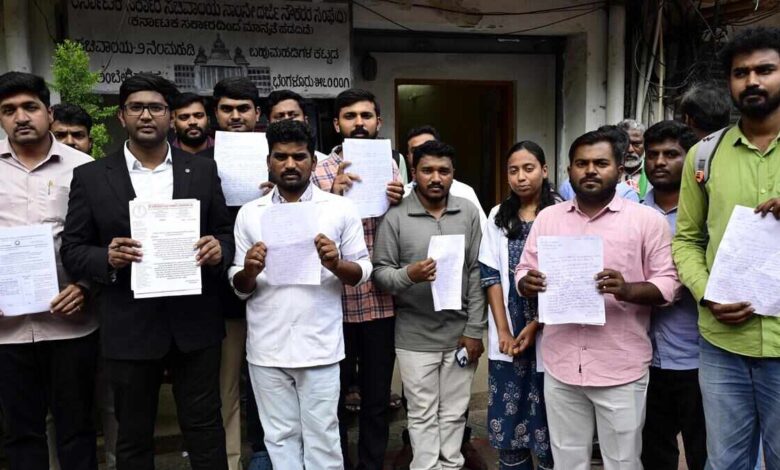
So far, the CID has reportedly questioned 273 people in connection with the veterinary officer recruitment case. The people questioned include candidates and others whose names or activities have emerged during the investigation.


Statements have also reportedly been recorded from 15 candidates and some other individuals. Investigators are understood to be comparing these statements with financial records and other information collected during the probe.
Banking transactions are receiving particular attention. CID officials reportedly questioned the manager of Souharda Bank in Bidar as part of their effort to understand financial dealings involving Basavaraj Kannale. Such inquiries are aimed at establishing the source and destination of money connected to people under investigation.
Investigators have also reportedly seized gold jewellery valued at around Rs 23 lakh from a young woman who was allegedly in contact with an individual named Gnanendra. The seizure is now part of the evidence being examined by the agency, while investigators work to determine its relevance to the broader case.
The investigation has also brought the role of KPSC member Shanta Hosamani under scrutiny. She is among those facing allegations in connection with the case, and sources indicate that the CID is preparing to issue another notice after she reportedly did not appear for questioning.
Questions have also been raised about her alleged involvement in more than one recruitment process conducted by the commission. Apart from the veterinary officer recruitment case, allegations have surfaced regarding the KAS recruitment process and the recruitment of Assistant Executive Engineers.
The allegations concerning the AEE recruitment process relate to the 2023 selection exercise. A KPSC subcommittee had been formed to examine the alleged irregularities. During that period, there were allegations that Shanta Hosamani sought to proceed with publication of a selection list without providing information to all members of the committee through then secretary Latha Kumari.
Some committee members reportedly objected to the move, following which the selection list was not published at that stage. Shanta Hosamani was subsequently removed from the subcommittee, according to the details emerging around the matter.
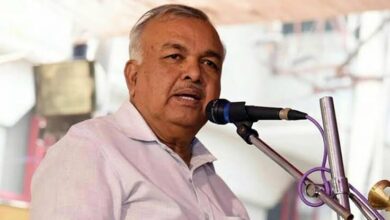
The controversy has now expanded beyond the investigation itself, with political debate surrounding the functioning of the KPSC. Karnataka minister Eshwar Khandre has said that the possibility of abolishing the Karnataka Public Service Commission would be discussed in a cabinet meeting.
The issue has also triggered political accusations involving former KPSC chairman Shivashankarappa. BJP MLA Basanagouda Patil Yatnal has made allegations concerning his appointment and claimed that political interests were involved. These claims are part of the ongoing political exchange and have not been established as findings of the CID investigation.
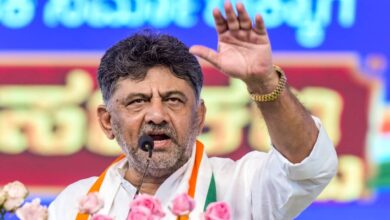
Another political dispute has emerged between Union minister H D Kumaraswamy and Karnataka Deputy Chief Minister D K Shivakumar over the alleged AEE recruitment irregularities. Kumaraswamy has criticised minister Priyank Kharge and indicated that he would release documents after returning from the United States.
Shivakumar has responded to Kumaraswamy’s allegations, adding another layer to the political controversy surrounding the recruitment issue. Kumaraswamy is also expected to address the matter further at a press conference, according to the information available.
The recruitment controversy has therefore developed on several fronts at the same time. While the CID is concentrating on financial transactions and statements from people connected to the case, political leaders are debating the wider functioning of the recruitment commission.
For investigators, the alleged movement of more than Rs 5 crore could become a significant part of the case if links between the transactions and recruitment decisions are established. The reported Rs 85 lakh in bank transfers is also being examined alongside the possibility of cash dealings.
The questioning of 273 people indicates the scale of the ongoing probe. Investigators are expected to continue checking financial records, digital information, statements and other evidence before reaching conclusions about individual roles.
The allegations involving KPSC member Shanta Hosamani are also likely to remain an important part of the investigation. Whether she appears for further questioning and what information emerges from additional notices could determine the next stage of the probe.
For now, the CID investigation remains ongoing. The reported financial trail, questioning of candidates and other individuals, and examination of multiple recruitment processes could lead to further developments in the coming days.
The case has also renewed questions about transparency in government recruitment examinations and the safeguards required to protect candidates from alleged malpractice. Any final conclusions about wrongdoing will depend on the evidence collected and the findings reached by the investigating authorities.