Bengaluru Orange Line Metro Moves Closer to Construction
Bengaluru Orange Line Metro construction is moving closer as BMRCL invites tenders to clear obstructing buildings, paving the way for Phase 3 corridors connecting JP Nagar, Kempapura, Hosahalli and Kadabagere.

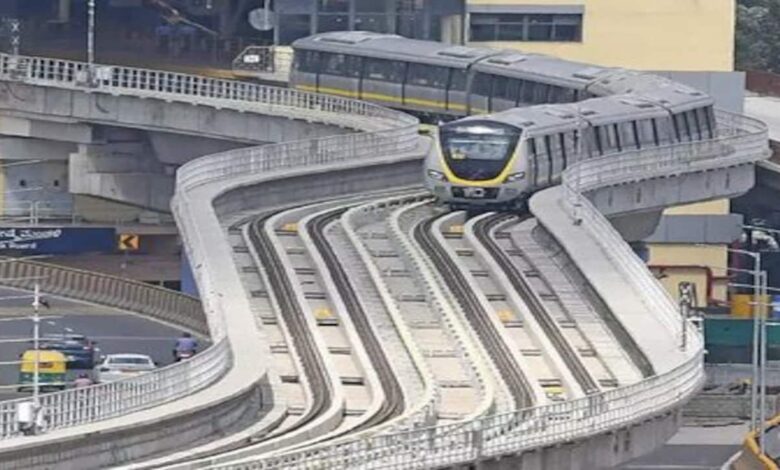
Bengaluru commuters waiting for the Orange Line Metro have a reason to watch the project closely. The Bangalore Metro Rail Corporation Limited has now taken a step towards clearing buildings that stand in the way of the proposed Phase 3 routes. Tenders have been invited for the removal of these structures, signalling that groundwork for the long delayed project could finally gather pace.
The Orange Line is planned as a major addition to the Bengaluru Metro network. The Phase 3 project covers two corridors with a combined length of 44.65 kilometres. One corridor will connect JP Nagar Fourth Phase with Kempapura, while the second will run from Hosahalli to Kadabagere.
The tender process is focused on clearing land required for construction. BMRCL has estimated the cost of this work at Rs 17.57 crore and has divided the building clearance work into four packages. The move is expected to help remove one of the practical hurdles that has kept construction from progressing as originally expected.
The four packages have been assigned separate estimated costs. The first package has been valued at Rs 4.74 crore, while the second has an estimated cost of Rs 4.54 crore. The third package has been set at Rs 4.29 crore and the fourth package has an estimated value of Rs 4 crore.


The development comes after concerns over the delay in starting the Orange Line project. Prime Minister Narendra Modi laid the foundation stone for the route on August 10 last year. However, construction activity did not begin as many residents had expected.
One of the major complications was the proposed integration of the Metro with a double decker flyover. The state government had planned the road and Metro infrastructure together to address traffic pressure along the corridor. The coordination required for the combined project contributed to delays in moving ahead with construction.
The delay also reportedly attracted dissatisfaction from the Union Ministry of Urban Development. With the latest tender now focused on clearing structures along the proposed alignment, the project appears to be moving towards the next stage.
Under Phase 3, the first corridor will stretch for 32.15 kilometres between JP Nagar Fourth Phase and Kempapura. The route is planned to have 22 stations. The second corridor will cover 12.5 kilometres between Hosahalli and Kadabagere and is expected to have nine stations.
Together, the two corridors are planned to have 31 elevated stations. The overall Phase 3 project has been planned for completion by 2032, although the actual pace of construction will depend on land clearance, contracting and subsequent work on the Metro infrastructure.
The Orange Line is expected to improve connectivity across several important parts of Bengaluru. Areas along the proposed routes include locations with residential neighbourhoods as well as commercial and industrial activity. Better Metro access could therefore be useful not only for residents but also for people travelling to work every day.
The Peenya industrial area is another important factor in the wider connectivity discussion. The region has a large concentration of industries and attracts thousands of workers. Improved public transport could make daily travel easier for employees who currently depend heavily on roads and buses.
For Bengaluru residents, however, the immediate question is whether the latest tender will translate into visible construction work on the ground. Foundation stone ceremonies had already raised expectations, but the absence of substantial work afterward had led to frustration among commuters.
Clearing buildings from the Metro alignment is an important preliminary step because construction cannot proceed smoothly until the required land is made available. Once the structures are removed and other preparatory requirements are completed, BMRCL can move towards the construction stages of the project.
The Orange Line will eventually become another important part of Bengaluru’s expanding Metro network, joining the city’s existing corridors and newer projects. With the Green, Purple, Blue and Yellow lines already drawing attention from commuters, the Orange Line is now back in focus because of the latest tender activity.
For people living and working along the proposed route, the next few months will be important. The tender process will need to progress, land clearance will have to be completed and construction contracts will need to move forward. Only then will residents get a clearer picture of when actual Metro work will begin.
The latest development does not mean that the entire Orange Line is immediately ready for construction. Several stages remain before passengers can expect the service to become operational. However, the decision to begin clearing structures represents a significant preparatory move for a project that has been waiting to move beyond its foundation stage.
Bengaluru’s traffic situation continues to make reliable public transport a major priority. If the Orange Line progresses according to plan, the two Phase 3 corridors could eventually provide another important travel option for thousands of commuters. For now, residents will be watching closely to see whether the building clearance work leads to construction finally beginning on the long awaited route.