Fake Cosmetics Crackdown In Karnataka As Health Officials Test Suspected Beauty Products
Karnataka authorities have stepped up inspections against suspected fake cosmetics, collecting samples from multiple locations amid concerns over unsafe ingredients and misleading beauty claims.

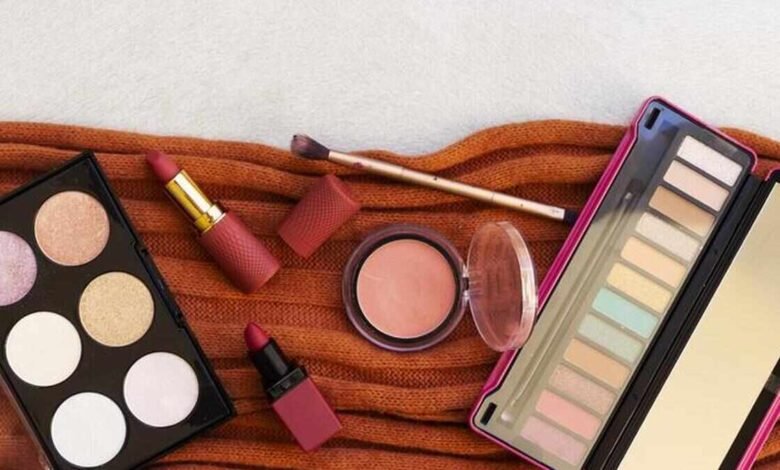
Karnataka has intensified its action against suspected fake cosmetics, with the Department of Drugs Control and other authorities inspecting shops and collecting beauty product samples for laboratory testing.
The operation has brought renewed attention to the products people use every day, particularly creams and makeup items that promise quick changes in skin appearance. Officials have reportedly collected samples from more than 50 locations across the state, including Bengaluru.
The samples reportedly cover more than 19 brands and several categories of cosmetics. Whitening creams, fairness creams, sprays, serums, hair dyes, lipsticks, powders and kajal are among the products collected for examination.
The laboratory reports will be important in determining whether the products actually contain prohibited or excessive chemical ingredients. Authorities have raised concerns about the possible presence of substances such as mercury and lead in some suspected counterfeit products. These concerns have not yet been confirmed for the individual samples, as testing is still underway.


Health concerns have also become a major part of the investigation. Poorly manufactured or counterfeit cosmetics may not follow the required safety standards, and prolonged exposure to unsuitable ingredients can cause skin irritation, allergic reactions and other problems. Hair products and cosmetics used around the eyes can also create additional risks when their quality or composition is unknown.
The focus on whitening products is particularly significant. Products promising very quick changes in skin tone can sometimes contain ingredients that should only be used under appropriate medical supervision. Excessive or inappropriate use of certain substances may damage the skin rather than provide the promised results.
Medical professionals have also welcomed stronger checks on cosmetic products. Experts have warned that consumers should not assume that a familiar looking package automatically means a product is genuine or safe. Checking the source and product details before buying can make a difference.
For shoppers, price can be an important warning sign. A branded cosmetic being sold at an unusually low price may deserve closer examination. Consumers should check the packaging, manufacturer information, batch details, expiry date and other required information before purchasing.
Buying from established retailers and authorised sellers can also reduce the risk of ending up with counterfeit products. If the packaging appears damaged, the printing looks unusual or important product information is missing, it is better to avoid the purchase.
The authorities are now waiting for the laboratory findings from the collected samples. If the tests establish violations, further action could follow against manufacturers, distributors or sellers involved in the supply of unsafe or counterfeit cosmetics.
Possible enforcement measures may include penalties, cancellation of licences and legal proceedings, depending on the findings and applicable regulations.
The latest inspections also serve as a reminder that cosmetics are not simply lifestyle products. Anything applied to the skin, hair or around the eyes should meet basic safety and quality requirements. Consumers can help protect themselves by avoiding suspiciously cheap products and checking the details before making a purchase.