Karwar Families Who Gave Land for Naval Base Still Struggle for Basic Facilities
More than 400 families displaced for the Kadamba Naval Base in Karwar say they are still waiting for roads, drinking water and dignified facilities decades later.


Karwar families surrendered land for national defence.
Hattikeri families still lack basic facilities.
The naval base displaced more than 400 families.
More than three decades after giving up their land for the country’s defence needs, hundreds of families in Uttara Kannada are still struggling with basic infrastructure at their rehabilitation settlement.

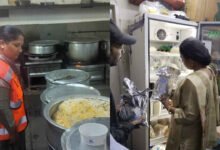
The affected families live in the Hattikeri Seabird rehabilitation colony in Ankola taluk, where land was acquired for the development of the Kadamba Naval Base near Arga in Karwar. Residents say the rehabilitation colony was created with assurances that essential facilities would be provided, but many of those promises remain incomplete.
The condition of roads continues to be a major concern. Poor connectivity makes daily travel difficult, while drinking water shortages reportedly become more serious during the summer months. Residents say these problems have continued for years despite repeated requests for improvement.
The situation at the local cremation ground has added another layer to the residents’ concerns. Although land has been set aside for cremations, the facility reportedly has little beyond a wall and a gate. There is no proper roof or adequate arrangement to protect the cremation area from rain.
During the monsoon, conducting final rites becomes particularly difficult. Residents say rainwater can wash away ashes and remains from the open cremation area, leaving families to deal with an undignified situation during an already painful moment.
The residents argue that the condition is especially disappointing because many of these families surrendered productive agricultural land for a project linked to national security. They expected the rehabilitation settlement to provide a reasonable standard of living in return.
The families are now urging the authorities to address the long standing problems instead of allowing the rehabilitation colony to remain neglected. Their immediate demands include better roads, reliable drinking water and a properly developed cremation ground.
For residents who say they sacrificed their land for the nation, the expectation is simple. They want the basic facilities that were promised to them and a more dignified life in the settlement they have called home for decades.