Karnataka Plans Mental Health Support For High School And PU Students
Karnataka is preparing stronger mental health support for high school and PU students through counselling, stress management sessions and awareness programmes involving schools, teachers and parents.

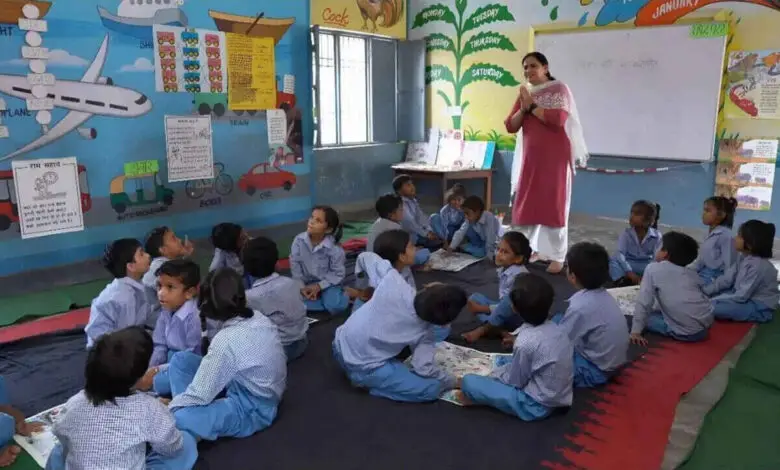
High school students will receive mental health support. PU students will get access to counselling services. Schools will focus on stress management and awarenes. Karnataka is preparing to strengthen mental health support for students studying in high schools and pre university colleges across the state. The proposed programme is aimed at helping teenagers deal with academic pressure, examination anxiety, emotional difficulties and other challenges that can affect their wellbeing during an important stage of their education.
The initiative is expected to bring mental health discussions closer to students by making support available through educational institutions. Instead of treating academic performance as the only priority, the programme seeks to give greater attention to the emotional and psychological wellbeing of students.
The move comes as schools and colleges increasingly deal with students facing pressure related to examinations, academic expectations, changing lifestyles and extensive use of social media. These factors can sometimes affect concentration, confidence and the ability of young people to cope with everyday challenges. The government is therefore looking at a more organised support system involving the education and health departments.
One of the major components of the proposed programme is counselling. Government and aided high schools as well as PU colleges are expected to strengthen access to trained counsellors. Where dedicated counsellors are not immediately available, teachers may receive suitable training to recognise concerns and guide students towards appropriate professional support.


The intention is not to turn teachers into mental health professionals. Instead, trained teachers can play an important early role by noticing changes in behaviour, attendance, classroom participation or academic performance and helping students reach the right support when necessary.
Regular stress management activities are another important part of the plan. Students often experience additional pressure during examination periods, particularly when expectations from themselves, parents and teachers become intense. Schools may organise activities designed to help students manage everyday stress and maintain better concentration.
Yoga, meditation and other relaxation based activities have been proposed as part of these efforts. Such sessions are expected to give students practical ways to handle ordinary academic pressure and maintain a healthier routine. The broader objective is to create an environment where asking for help is viewed as a normal part of student life rather than something that should be avoided.
Parents and teachers will also have an important role in the proposed mental health programme. Awareness sessions can help adults understand the signs that a student may be struggling emotionally. Changes in behaviour, withdrawal from regular activities, sudden academic difficulties or noticeable changes in interaction with others can sometimes indicate that a student needs additional support.
Early attention can make it easier for students to receive appropriate guidance before their difficulties become more serious. For this reason, the programme is expected to focus not only on students but also on the adults who regularly interact with them.
The government is also looking at better awareness about Tele MANAS among students. The national tele mental health service can provide an additional route for people seeking mental health assistance. Making students and families more familiar with such services could help them understand where to seek professional guidance when school level support is not enough.
The proposed measures are particularly relevant for teenagers because high school and PU years often coincide with major academic decisions. Students may be preparing for board examinations, entrance tests or future career choices while also dealing with changes in friendships, family expectations and personal development.
A stronger support network within schools and colleges could help reduce the feeling that students have to handle these pressures alone. Counselling and awareness programmes can also encourage healthier conversations between students, teachers and parents.
The government hopes that greater attention to mental wellbeing will have benefits beyond academic performance. Better emotional support can help students develop confidence, improve concentration and build healthier ways of dealing with setbacks.
The initiative also highlights a wider shift in the way student welfare is being viewed. Education is increasingly being considered as more than marks and examinations. A student’s ability to learn can also be influenced by their emotional state, sense of security and confidence.
For schools, the challenge will be to ensure that the proposed support system is accessible and handled sensitively. Students should be able to approach trained personnel without unnecessary embarrassment or fear. Teachers and parents will also need clear guidance so that concerns are addressed responsibly.
If implemented effectively, the programme could give Karnataka’s high school and PU students a more supportive educational environment. The focus on counselling, stress management, teacher training, parent awareness and access to mental health services is intended to make student wellbeing a more visible part of school and college life.
The larger goal is to ensure that young people receive support not only when they face a serious problem but also while learning how to manage the normal pressures that come with adolescence and education. By bringing mental health support closer to classrooms, Karnataka is looking to build a system in which students can seek guidance early and continue their studies with greater confidence and support.