Bengaluru Metro Phase 3 May Cut Double Decker Stretch From 37 Km To 11 Km
Bengaluru Metro Phase 3 may reduce its planned double decker section after engineering concerns, traffic priorities and public transport goals prompted BMRCL to reconsider the original proposal.

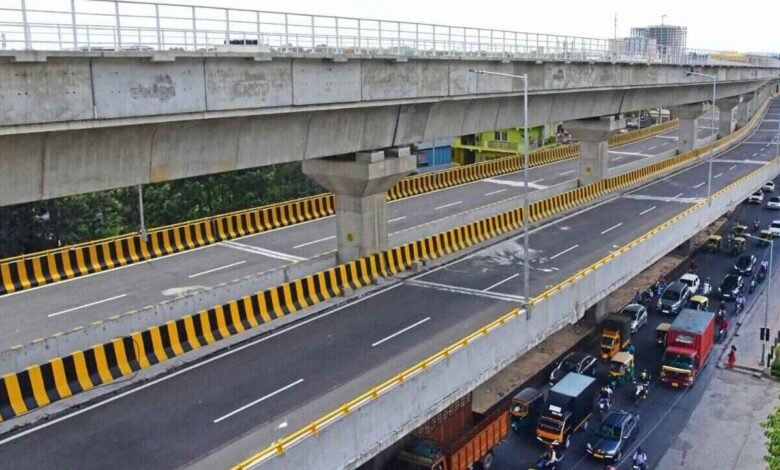
Bengaluru Metro Phase 3 may get a shorter double decker stretch.
BMRCL is considering about 11 km of double decker construction.
Traffic heavy junctions could receive priority under the revised plan.
The proposed design for Bengaluru Metro Phase 3 could undergo a major change, with the Bengaluru Metro Rail Corporation Limited considering a shorter double decker structure instead of the originally planned 37 kilometre end to end arrangement. The revised approach could focus only on stretches where traffic congestion is particularly severe.


The Phase 3 project, also known as the Orange Line project, covers important parts of Bengaluru and is expected to strengthen connectivity across several busy areas of the city. The original proposal involved building a road flyover first and placing the metro viaduct above it. However, concerns raised during the engineering assessment have led to a fresh look at whether such a structure is necessary throughout the entire corridor.
Under the proposal now being considered, the double decker portion could be limited to around 11 kilometres. Instead of building the structure continuously across the route, BMRCL may identify traffic bottlenecks where the additional road level would offer the greatest benefit. The final decision is expected to be taken after discussions with the state government.
The change follows recommendations from engineering consultancy RITES, which has examined various aspects of the proposed infrastructure. According to the concerns highlighted in its assessment, adding road capacity continuously along the metro corridor could have an unintended impact on the way people travel.
A larger road network can sometimes encourage greater dependence on private vehicles. That could work against one of the central objectives of a major metro expansion, which is to encourage commuters to move from private transport to public transportation. The issue becomes particularly important for a city such as Bengaluru, where traffic congestion has become a daily challenge for residents.
There are also significant engineering considerations. A combined double decker structure would have to pass through several locations where existing flyovers, roads and metro infrastructure are already present. At some junctions, the overall height of the combined structure could reach around 35 metres. Such a design could make construction more complicated and could also create challenges for future operations and maintenance.
The financial viability of the project has also reportedly been considered. The metro component on its own has an estimated economic internal rate of return of around 17 percent. With the double decker road component included throughout the corridor, the figure could fall below the 14 percent benchmark. This has added another reason for officials to reconsider the original plan.
The proposed reduction does not necessarily mean that the double decker concept will disappear from Phase 3. Instead, the focus could shift towards using it selectively. Busy junctions and locations where road traffic regularly slows down may receive priority, while other sections could continue with a conventional metro arrangement.
Several locations along the western part of the city have emerged as important traffic pressure points. Areas around Hebbal, BEL Circle, Goraguntepalya, Sumanahalli Cross, the Nagarabhavi region, Nayandahalli, Kamakya Junction, Sarakki Junction, Delmia Flyover and Vega City Mall are among the locations that could require careful planning.
The selection of these stretches will be important because the purpose of a double decker structure is not simply to add another level of infrastructure. It needs to solve a specific mobility problem without creating new complications for surrounding roads, existing structures and metro operations.
The Phase 3 Orange Line itself is a major expansion planned for Bengaluru. The proposed corridors include the JP Nagar to Kempapura section and the Hosahalli to Kadabagere section. Together, these routes are expected to improve connectivity across several residential, commercial and growing suburban areas.
Although the foundation ceremony for the Phase 3 project was held in August 2025 by Prime Minister Narendra Modi, construction activity has yet to begin on the ground according to the report cited in the original information. The changes being considered now therefore come at an important stage, before large scale construction gets underway.
For commuters, the discussion over the double decker structure is less about the engineering design itself and more about how quickly the metro can improve everyday travel. Bengaluru continues to deal with long travel times, crowded roads and increasing private vehicle use. Any change to the project design will ultimately be judged by whether it can deliver better public transport without adding unnecessary construction complexity.
A shorter double decker arrangement could also allow the authorities to concentrate resources on the places where road congestion is most severe. If implemented carefully, the approach could balance the need for additional road capacity with the larger objective of encouraging people to choose metro services.
At the same time, reducing the proposed structure from 37 kilometres to approximately 11 kilometres would represent a substantial change from the original concept. The exact stretches that will receive the double decker treatment are yet to be finalised, and discussions with the state government are expected to play a role in the next stage.
For now, BMRCL appears to be weighing engineering practicality, financial returns and Bengaluru’s wider public transport needs before making a final decision. The outcome will determine how the Phase 3 Orange Line interacts with the city’s existing road network and whether the double decker concept remains a major part of the project or becomes a targeted solution for only the busiest locations.
The final alignment and construction plan will therefore be closely watched, particularly by commuters living along the proposed Phase 3 corridors. As Bengaluru continues to expand, the challenge for planners is not only to build more infrastructure but also to make sure that each new project genuinely improves the way people move around the city.