Karnataka Reservoir Levels Remain Below Expectations as KRS Dam Stays Under 100 Feet
Weak monsoon rainfall has slowed reservoir recovery across Karnataka with major dams including KRS Kabini Hemavathi and Almatti holding lower water levels compared to the same period last year

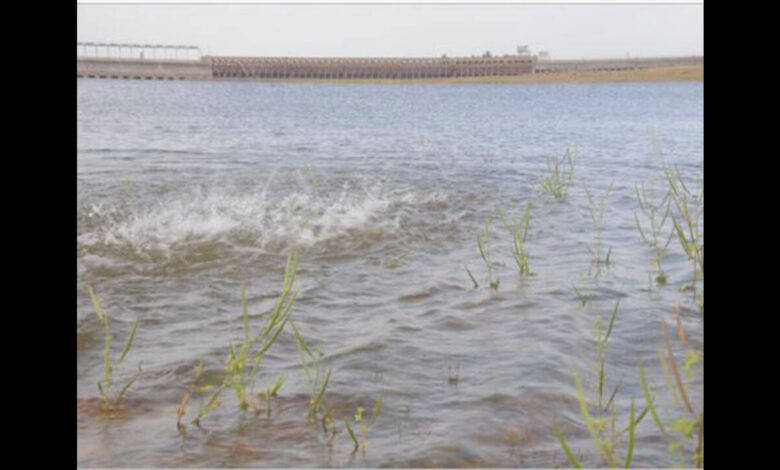
Karnataka’s major reservoirs continue to report lower than expected water storage as weak monsoon activity affects inflows across the state. Although some regions received spells of heavy rain in early July, the increase in reservoir levels has been modest, raising concerns over water availability in the coming months.
The Krishna Raja Sagar Dam, one of the state’s most important reservoirs in the Cauvery basin, remains below the 100 foot mark. Last year, the reservoir had already crossed that level before the beginning of June, but this year the water level has reached only 92.15 feet as of July 13, highlighting the impact of inconsistent rainfall.
The KRS reservoir has a maximum water level of 124.80 feet and a storage capacity of 49.452 TMC. At present, it holds 17.253 TMC of water. The reservoir received an inflow of 7515 cusecs while the outflow stood at 619 cusecs. During the last 24 hours, the water level increased by just 0.588 feet, indicating only gradual improvement.
The Hemavathi Reservoir near Gorur in Hassan district is also carrying less water than it did during the same period last year. The reservoir currently stands at 2903.52 feet with a storage of 22.048 TMC against its full reservoir level of 2922 feet. It is receiving an inflow of 2960 cusecs and releasing 300 cusecs. On the corresponding date last year, the water level had reached 2920.82 feet with nearly 35.963 TMC of storage, supported by significantly stronger inflows.

In northern Karnataka, the Almatti Reservoir continues to receive healthy inflows despite the uneven monsoon. The reservoir currently stands at 517.27 metres against its maximum level of 519.60 metres. Daily inflow has reached 56756 cusecs, while only 423 cusecs is being released downstream, allowing storage to improve steadily.
The Kabini Reservoir in Mysuru district is also trailing last year’s figures. The current water level is 70.06 feet compared with 81.98 feet on the same day a year ago. Water storage stands at 11.71 TMC, considerably lower than the 18.18 TMC recorded during the corresponding period last year. The reservoir is receiving an inflow of 3166 cusecs while releasing 500 cusecs.
Meteorologists say the southwest monsoon has weakened across several parts of Karnataka after an active spell earlier in the season. While districts in Dakshina Kannada, Belagavi and parts of the Cauvery catchment received useful rainfall, the overall contribution has not been sufficient to significantly improve reservoir storage across the state.
Water resource officials continue to monitor rainfall patterns and reservoir inflows closely. If monsoon activity does not strengthen in the coming weeks, lower storage levels in key reservoirs could pose challenges for drinking water supply, irrigation needs and agricultural activities later in the season.
With much of the monsoon still remaining, authorities are hopeful that fresh rainfall across the catchment areas will improve storage levels. However, the current figures underline the importance of sustained rainfall in the weeks ahead to ensure adequate water availability for Karnataka during the rest of the year.