How to Make Crispy Cone Dosa at Home This Sunday Like Your Favorite Restaurant
Cone dosa remains a favorite among children and food lovers alike and with a few simple kitchen tricks anyone can prepare a perfectly crispy restaurant style version at home

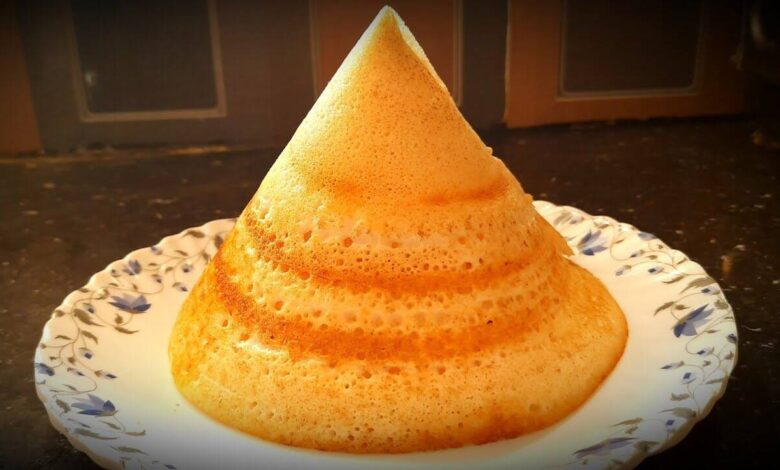
Dosa has long been one of the most loved breakfast dishes across South India. Whether served plain, with masala, or in a paper roast style, it continues to be a staple in countless households. Among the many varieties available today, cone dosa holds a special place, especially among children who are often fascinated by its unique shape and extra crispy texture.
Many people assume that preparing cone dosa at home is difficult and requires professional cooking skills. However, home cooks can easily recreate the restaurant style experience by following a few simple techniques. The secret lies not in a special recipe but in the way the dosa is spread, cooked, and rolled into its signature cone shape.
The first step is getting the batter consistency right. There is no need to prepare a separate batter specifically for cone dosa. Regular dosa batter works perfectly well. The key is to make it slightly thinner than usual by adding a few spoonfuls of water. A smooth and slightly runny batter helps create an ultra thin dosa that becomes crisp and golden when cooked. If the batter is too thick, the dosa may not crisp up properly and could break while shaping it into a cone.
Once the batter is ready, attention shifts to the cooking process. Heat a nonstick or cast iron pan over a medium flame. Sprinkle a little water on the surface and wipe it clean with a cloth. This simple step helps maintain the ideal temperature for making thin and evenly cooked dosas.


Pour a ladle of batter in the center of the pan and spread it outward in circular motions. The thinner the layer, the crispier the final result will be. Add a small amount of oil, butter, or ghee around the edges and across the surface. Many experienced cooks prefer ghee because it gives the dosa a rich aroma and an attractive golden brown finish.
One important detail often overlooked is that cone dosa should be cooked on only one side. Flipping it over can reduce its crispness and make shaping more difficult. As the underside turns golden and crisp, make a straight cut from the edge toward the center using a spatula.
This is where the cone shape begins to take form. Lower the flame once the dosa is fully cooked. Carefully lift one side of the cut edge and start rolling it inward while it is still hot. The warmth allows the dosa to hold its shape naturally. Roll it gently into a cone similar to an ice cream cone or a decorative rocket shape.
The result is a light, crunchy, and visually appealing dosa that instantly grabs attention at the dining table. Served hot with coconut chutney and sambar, it becomes a breakfast treat that both children and adults enjoy.
With weekend family breakfasts becoming more special, cone dosa offers a fun way to bring restaurant style cooking into the home kitchen. Instead of ordering from outside, families can enjoy the satisfaction of creating this crispy favorite themselves. For parents looking to surprise their children with something exciting, a homemade cone dosa could be the perfect Sunday morning delight.