Tomatoes Lead the List of Foods That May Support Male Fertility and Reproductive Health
Nutrition experts highlight tomatoes, leafy vegetables, nuts, seeds, and fruits as valuable foods that may support male reproductive health, hormone balance, and overall wellness naturally daily.

Growing concerns over male reproductive health have prompted experts to look beyond medications and focus on the role of nutrition in improving overall fertility. Health specialists say that modern lifestyles marked by stress, inadequate sleep, unhealthy eating habits, and reduced physical activity are contributing to a rise in fertility related concerns among men across the world.
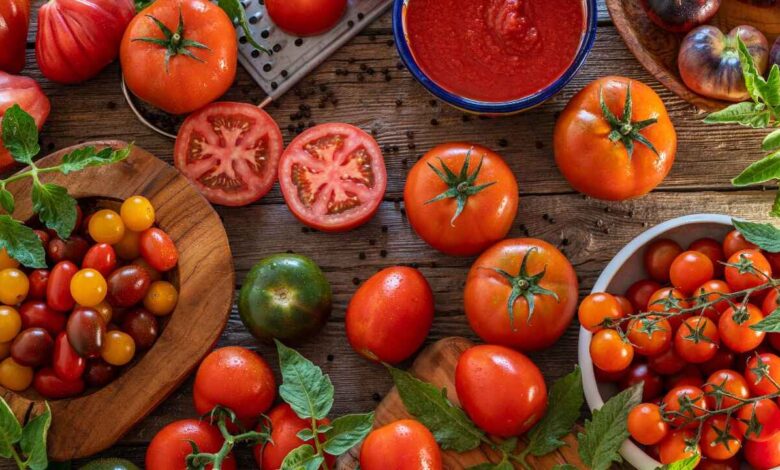
Among the many foods linked to better reproductive health, ripe tomatoes have emerged as one of the most talked about options. Rich in lycopene, a powerful antioxidant, tomatoes are believed to play an important role in supporting sperm quality and mobility. Medical researchers have noted that lycopene helps protect cells from oxidative stress, a factor often associated with reduced fertility.
Experts explain that fertility is influenced by several factors, including hormone balance, blood circulation, nutritional status, and overall health. Because of this, maintaining a nutrient rich diet can be just as important as following other healthy lifestyle practices. Many nutritionists recommend adding specific foods to daily meals that provide antioxidants, vitamins, minerals, and healthy fats.
Leafy green vegetables are among the most valuable additions to a fertility friendly diet. Foods such as spinach and broccoli contain high levels of folate, also known as vitamin B9. Adequate folate intake supports healthy cell development and may contribute to improved reproductive function. Nutrition experts advise including green vegetables regularly to help maintain optimal nutrient levels.


Nuts and seeds are also gaining recognition for their potential benefits. Walnuts, almonds, and pumpkin seeds provide zinc and omega 3 fatty acids, nutrients that are linked to hormone production and healthy blood flow. Zinc, in particular, plays a significant role in testosterone production and overall reproductive health.
Fruits rich in vitamin C and antioxidants can offer additional support. Berries such as strawberries and blueberries, along with citrus fruits including oranges and lemons, help combat free radicals that may damage cells. By reducing oxidative stress, these foods may contribute to better reproductive wellness over time.
Another food drawing attention from researchers is dark chocolate. It contains an amino acid known as L arginine, which supports the production of nitric oxide in the body. Nitric oxide helps blood vessels function efficiently and promotes healthy circulation. Some studies suggest that moderate consumption of dark chocolate may have a positive impact on reproductive health when combined with a balanced diet.
Garlic is another commonly available ingredient that offers several health benefits. It contains allicin and selenium, compounds associated with improved blood circulation and cellular protection. Experts believe that these nutrients may help support overall reproductive function while contributing to general health and wellbeing.
While individual foods can provide important nutrients, specialists stress that no single ingredient should be viewed as a miracle solution. Instead, long term benefits are more likely to come from a balanced diet that combines vegetables, fruits, nuts, seeds, whole foods, and adequate hydration.
Lifestyle choices remain equally important. Regular physical activity, sufficient sleep, and avoiding smoking and excessive alcohol consumption are all considered essential for maintaining reproductive health. Experts say these habits work together with proper nutrition to create a healthier environment for the body.
As awareness about male fertility continues to grow, healthcare professionals are encouraging men to pay closer attention to their daily diet and lifestyle. Simple changes such as adding tomatoes, leafy greens, nuts, seeds, and antioxidant rich fruits to regular meals may help support overall wellness and reproductive health naturally.
Medical experts also advise individuals experiencing fertility concerns to seek professional guidance rather than relying solely on dietary changes. A personalized approach that combines medical evaluation with healthy lifestyle habits often provides the best path toward long term health and wellbeing.