Frequent Headaches Could Be a Warning Sign of High Blood Pressure
Many people ignore recurring headaches as stress or lack of sleep, but experts warn they may signal dangerously high blood pressure that requires timely attention and medical evaluation.

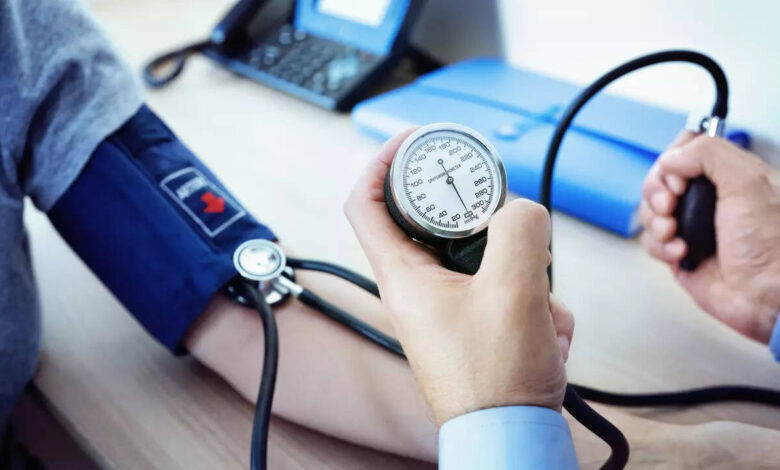
Many people today experience frequent headaches and often dismiss them as a result of stress, long working hours, lack of sleep, or general fatigue. A quick painkiller may seem like an easy solution, but health experts warn that recurring headaches should never be ignored without understanding the real cause. In some cases, they may be an early indication of high blood pressure, a condition often referred to as a silent killer.
High blood pressure has become increasingly common across all age groups, including young adults. One of the biggest challenges with the condition is that it can develop quietly for years without showing obvious symptoms. By the time many people discover they have hypertension, it may have already started affecting important organs such as the heart, brain, and kidneys.
Doctors explain that not every headache is caused by high blood pressure. Several factors, including dehydration, migraines, poor sleep quality, emotional stress, and excessive screen time, can also trigger headaches. However, when blood pressure rises significantly above normal levels, it can place extra strain on blood vessels, including those in the head, which may contribute to severe or persistent headaches.
Because of this connection, experts recommend paying attention when headaches become frequent, intense, or are accompanied by other unusual symptoms. Instead of relying only on pain relief medication, it is important to identify the underlying cause and monitor blood pressure regularly.


Medical professionals advise seeking immediate attention if recurring headaches occur alongside symptoms such as dizziness, blurred vision, chest discomfort, shortness of breath, unusual fatigue, or difficulty concentrating. These signs may indicate that blood pressure levels have reached a point where medical intervention is necessary.
People with a family history of hypertension, diabetes, obesity, or heart disease should be especially careful. Even if they feel healthy, regular blood pressure screenings can help detect problems early and reduce the risk of serious complications in the future.
Healthcare experts emphasize that high blood pressure is often called a silent killer because it can damage the body gradually without causing noticeable symptoms. Left untreated, it significantly increases the risk of heart attacks, strokes, kidney disease, and other life threatening conditions.
Fortunately, managing blood pressure is possible through a combination of healthy lifestyle choices and regular monitoring. One of the most important steps is reducing salt intake. Processed foods, packaged snacks, pickles, and other high sodium items can contribute to rising blood pressure and should be consumed in moderation.
A balanced diet rich in fruits, vegetables, whole grains, and leafy greens can support heart health and help maintain healthy blood pressure levels. Nutrition experts also encourage people to stay hydrated and avoid excessive consumption of unhealthy foods.
Regular physical activity remains one of the most effective ways to control blood pressure naturally. Activities such as walking, jogging, cycling, or any form of daily exercise for at least 30 minutes can improve circulation and strengthen cardiovascular health.
Stress management is equally important. Practices such as meditation, yoga, deep breathing exercises, and ensuring seven to eight hours of quality sleep each night can make a significant difference in maintaining healthy blood pressure levels.
Doctors also stress the importance of avoiding smoking and limiting alcohol consumption, as both habits can contribute to hypertension and increase the risk of cardiovascular disease.
For individuals who have already been diagnosed with high blood pressure, taking prescribed medication consistently is essential. Missing doses or stopping treatment without medical advice can lead to dangerous fluctuations in blood pressure and increase the likelihood of serious health complications.
The key message from experts is simple. A headache may seem harmless, but when it occurs repeatedly, it should not be ignored. Listening to these warning signs and getting blood pressure checked on time could help prevent major health problems and protect long term wellbeing.