Do Not Throw Peanut Shells Away These Smart Household Uses May Surprise You
Peanut shells can be reused for gardening, composting, natural fuel, pest control and creative home projects, turning what looks like waste into a useful and eco friendly household resource.

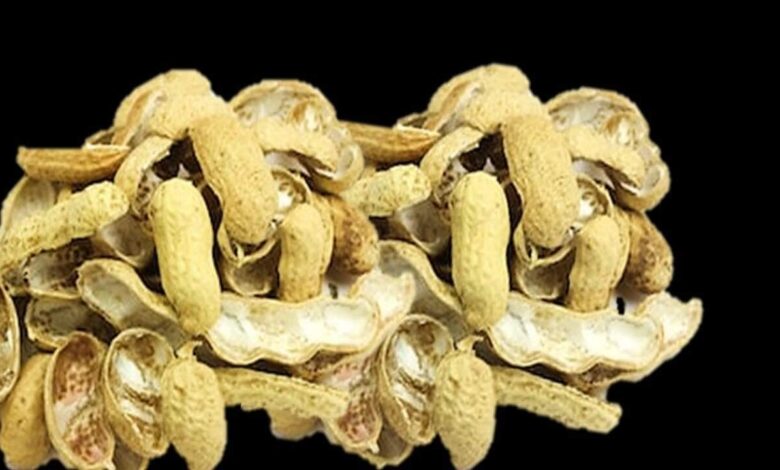
Roasted peanuts remain a favorite snack during winter evenings and family gatherings. Most people enjoy eating them while chatting with friends or relaxing at home. But once the peanuts are finished, the shells usually end up in the dustbin without a second thought. What many households do not realize is that these leftover peanut shells can actually be reused in several practical and environmentally friendly ways.
As awareness around sustainable living grows, people are now looking for simple methods to reduce household waste. Peanut shells, often treated as useless leftovers, can become surprisingly useful in gardening, composting and even home decoration projects. Experts say reusing kitchen waste creatively not only reduces garbage but also supports eco friendly living habits.
One of the most useful applications of peanut shells is in gardening. When dried properly and crushed into smaller pieces, peanut shells can be mixed into soil as a natural organic fertilizer. Over time, the shells decompose slowly and release nutrients that help plants grow healthier. Gardeners often use them to improve soil texture and maintain better moisture balance.
Peanut shells are also widely used for mulching around plants and flower pots. A thin layer of shells spread over the soil helps reduce moisture loss during hot weather. This layer also limits the growth of unwanted weeds around plants. For people maintaining small terrace gardens or balcony plants, this can be an easy and affordable gardening solution.

Many households preparing compost at home now add peanut shells to their compost bins. The shells help improve the structure and quality of compost when combined with wet kitchen waste such as vegetable peels and fruit scraps. Compost enriched with natural dry materials often supports greener and healthier plant growth.
In several rural regions, dried peanut shells are even used as natural fuel. Because they catch fire quickly, they can help light traditional stoves or support small cooking fires. This practice has existed for years in farming communities where nothing from the harvest goes to waste.
Apart from gardening and fuel use, peanut shells are also becoming popular in art and craft activities. Children use them in school projects, while creative hobbyists turn them into decorative items and handmade designs. Their rough texture and lightweight nature make them useful for many simple do it yourself projects at home.
Some people also use the ash from burnt peanut shells in gardening. The ash is believed to help reduce minor pest problems around plants when sprinkled carefully near roots or leaves. Though it is not a replacement for professional pest control, it is often used as a traditional home gardening trick.
Another interesting use of peanut shells is as protective packing material. Fragile items such as glass objects or decorative pieces can be cushioned with dry peanut shells while shifting or transporting them. The shells create a soft protective layer that helps reduce the risk of damage.
Environmental experts say small habits like reusing organic waste can make a meaningful difference over time. Instead of treating peanut shells as useless trash, households can turn them into practical everyday resources with almost no extra cost. Simple kitchen leftovers, when used wisely, can support both sustainable living and smarter home management.