Why Ayurveda Experts Advise Avoiding Brinjal During Rohini Karthe Heatwave
Extreme summer temperatures during Rohini Karthe may increase body heat and digestive stress, prompting Ayurveda experts to recommend avoiding brinjal and choosing lighter cooling foods for better health protection.

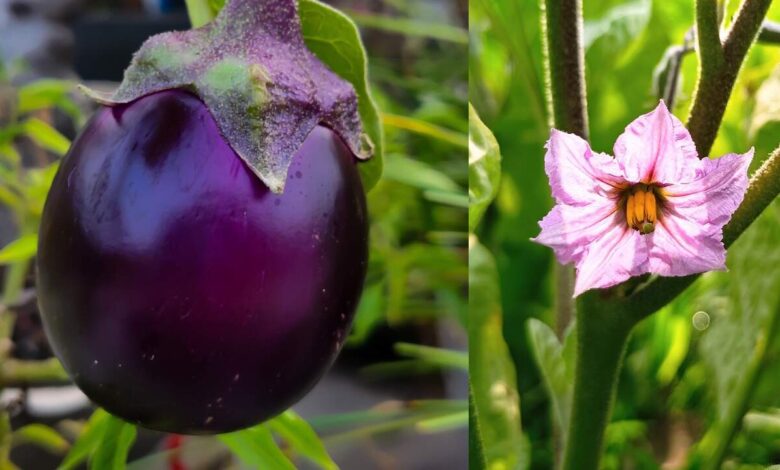
As scorching temperatures continue to grip Telugu states, health experts are urging people to be more careful about what they eat during the intense Rohini Karthe period. With temperatures crossing 45 degrees Celsius in several regions, Ayurveda practitioners believe certain foods can further increase internal body heat and trigger multiple health problems. Among the vegetables being discussed the most is brinjal, a popular ingredient that experts now suggest avoiding during this peak summer phase.
For generations, people have enjoyed brinjal in a variety of dishes because of its rich taste and versatility. However, according to Ayurvedic principles, brinjal naturally carries a heating effect that may not suit the body during extreme summer conditions. Experts say the first few days of Rohini Karthe are particularly sensitive because the sun’s intensity is believed to strongly affect the human body and digestion.
Doctors and traditional health practitioners explain that digestion already becomes weaker during periods of excessive heat. Consuming foods considered heavy or heat generating may place extra pressure on the digestive system. Brinjal, which takes longer to digest, can lead to acidity, indigestion, bloating, heartburn and discomfort during this season. Some people may also experience nausea or restlessness after eating spicy brinjal based dishes in high temperatures.
Skin related issues are another concern linked with consuming heat producing foods during harsh summer weeks. Experts warn that people who are sensitive to heat may develop rashes, itching, sweat boils or allergic reactions more easily when internal body temperature rises. Since dehydration and heat stress are already common during this period, maintaining balance through food becomes essential.


Nutrition specialists suggest shifting towards lighter and water rich foods until the intense summer phase passes. Seasonal fruits such as watermelon, muskmelon and cucumber are being widely recommended because they help the body stay hydrated naturally. These fruits also contain essential minerals that support the body during excessive heat exposure.
Traditional cooling drinks are also making a comeback in many households. Thin buttermilk, lemon water and lassi are considered effective for keeping the body refreshed and reducing fatigue caused by hot weather. Experts advise drinking such fluids multiple times a day to prevent dehydration and maintain energy levels.
Many families are now returning to seasonal eating habits followed by earlier generations, especially during peak summer months. Health experts say these traditional practices were designed to help the body adapt to changing weather conditions naturally. Avoiding certain heat generating foods temporarily and focusing on hydrating meals may help reduce the risk of summer related health complications.
While brinjal continues to remain a favourite vegetable for many, experts believe taking a short break from it during Rohini Karthe could help the body cope better with rising temperatures. Choosing cooling foods and staying properly hydrated may offer much needed protection during one of the hottest periods of the year.