Chicken Feet Demand Rising Worldwide Nutrition Experts Reveal Surprising Health Benefits Hidden in This Underrated Food
Chicken feet once ignored in many households are now gaining global demand as nutrition experts highlight their collagen rich composition, bone strength support, skin benefits and digestive health advantages when consumed properly

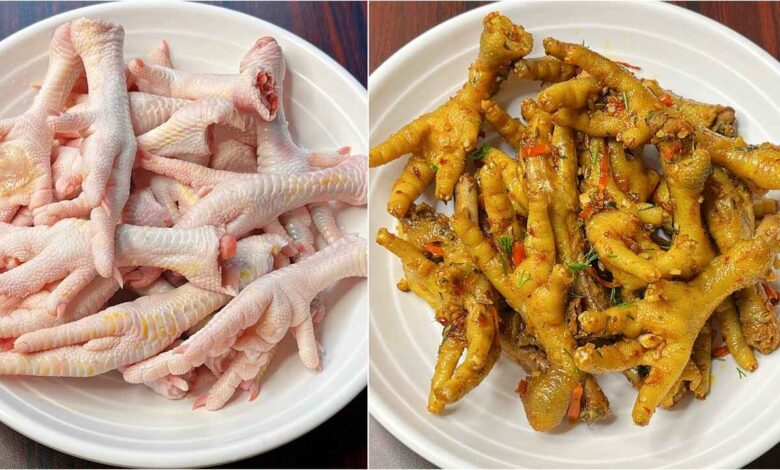
Chicken is one of the most widely consumed meats, yet most people prefer only familiar cuts like breast, legs or liver while ignoring other parts. Among them, chicken feet are often discarded as waste in many kitchens. However, global demand tells a completely different story, where this so called leftover item is considered a delicacy in several countries.
Interestingly, countries such as China, Vietnam, Mexico, Singapore and South Africa show strong demand for chicken feet, often importing them in large quantities. In many of these regions, chicken feet are not cheap or secondary items but are valued for their taste and nutritional richness, making them an important part of traditional cuisine.
Nutrition experts explain that chicken feet contain a unique combination of skin, bones and connective tissues that are rich in collagen. According to studies referenced by global health institutions, they can contain a significant amount of collagen along with proteins, healthy fats, calcium, phosphorus, vitamin A and folate. This nutritional profile makes them more valuable than many people assume.
A clinical nutrition expert from Chennai explains that a large portion of the protein found in chicken feet is collagen based. Collagen plays a major role in maintaining skin elasticity, joint strength and overall connective tissue health. As age increases, natural collagen production in the body decreases, which may lead to wrinkles, joint stiffness and dryness in the skin. Foods rich in collagen may help support these functions.


Experts also highlight that chicken feet contain gelatin and amino acids such as glycine and proline, which may support gut health and tissue repair. These compounds are considered beneficial for maintaining bone strength and improving digestion when consumed in appropriate forms.
However, preparation plays a crucial role in safety and nutrition. Food specialists warn that chicken feet must be cleaned thoroughly before cooking, as they may carry dirt or external residues. Proper cleaning and boiling are essential steps before cooking them in soups or stews. Many chefs recommend slow cooked soup style preparation as it allows better nutrient absorption.
Nutritionists strongly advise against deep frying chicken feet. While fried versions are popular in some cuisines, frying can destroy important nutrients and increase unhealthy fats and sodium levels, which may negatively affect heart health if consumed frequently.
A diet specialist from Erode explains that chicken feet contain higher fat content compared to lean chicken breast. While chicken breast is known for being high in protein and low in fat, chicken feet offer more calories and collagen but comparatively less protein density. This makes portion control important in regular diets.
Experts suggest that moderate consumption is key. Around four to five chicken feet in soup form per week is considered sufficient for most healthy adults. However, it may not be suitable for young children, elderly individuals with chewing difficulties, or those who have swallowing issues.
Interestingly, folate present in chicken feet may support fetal development during pregnancy when consumed under medical guidance. Still, nutritionists emphasize that dietary decisions during pregnancy should always be made with professional consultation to ensure safety.
What was once considered kitchen waste is now being re-evaluated as a nutrient rich food in many parts of the world. With proper cleaning, careful cooking and balanced consumption, chicken feet are gradually moving from overlooked ingredient to valued nutrition source in modern diets.