Grapes vs Bananas Which Fruit Is Better for Health A Closer Look at Sugar and Nutrition Balance
Understanding how grapes and bananas affect blood sugar differently can help diabetics and health conscious people make smarter fruit choices without giving up natural nutrition and energy

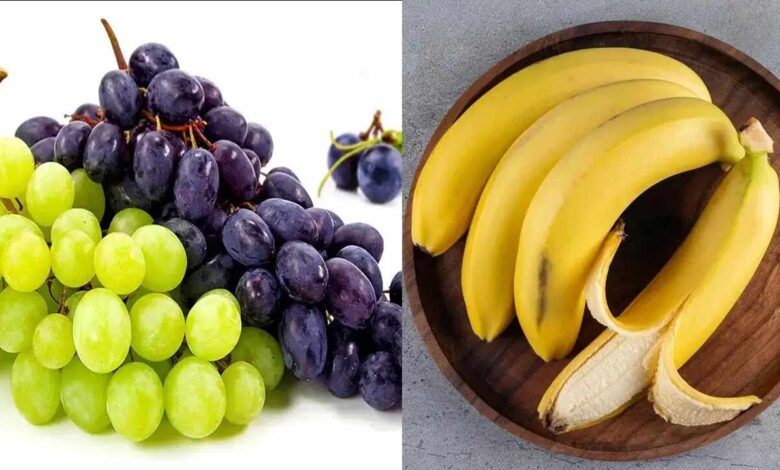
Choosing between fruits like grapes and bananas often feels simple, but for people managing blood sugar it becomes a careful decision. Many believe that diabetes means avoiding fruits completely, yet health experts say the truth is more balanced. Fruits contain natural sugars, but their impact on the body depends on portion size, ripeness, and what they are eaten with.
Grapes are loved for their sweetness and easy bite sized nature, but that is also where the challenge begins. Because they contain very little fiber, the natural sugar in grapes can enter the bloodstream quickly. It becomes easy to eat a large handful without noticing, which may lead to a sudden rise in glucose levels. While grapes do offer antioxidants and hydration benefits, moderation is especially important for those monitoring blood sugar.
Bananas, on the other hand, behave differently depending on how ripe they are. Less ripe bananas contain resistant starch, which digests slowly and does not spike blood sugar quickly. As bananas ripen and develop dark spots, the starch turns into simple sugar, which can raise glucose levels faster. A medium banana also provides fiber, which helps slow down sugar absorption and supports digestion, making it a more balanced fruit when eaten at the right stage.
Another important factor in understanding fruits is the glycemic index. This measures how quickly a food raises blood sugar levels. Both ripe bananas and grapes fall into the moderate category, meaning they are not harmful on their own but should be consumed wisely. Pairing them with low glycemic foods can make a big difference in how the body responds.


Experts often suggest simple habits that can help people enjoy these fruits safely. Eating fruits along with protein or healthy fats such as nuts or yogurt can slow down sugar release into the blood. Timing also matters, as fruits are better consumed during the day or before physical activity rather than late at night or on an empty stomach. Whole fruits are always preferred over juices because blending removes fiber and increases sugar absorption speed.
Light physical activity after eating fruit can also help the body manage glucose better. A short walk allows muscles to use up the sugar for energy instead of letting it build up in the bloodstream. In the end, grapes and bananas are not enemies of health. They are nutritious fruits that can be part of a balanced diet when eaten with awareness and the right combination.