Vivo X300 FE Takes on Samsung Galaxy S26 and iPhone 17 in Premium Smartphone Battle
From flagship cameras to powerful processors and premium displays, Vivo X300 FE enters a competitive race against Samsung Galaxy S26 and iPhone 17 in India’s high end smartphone market.

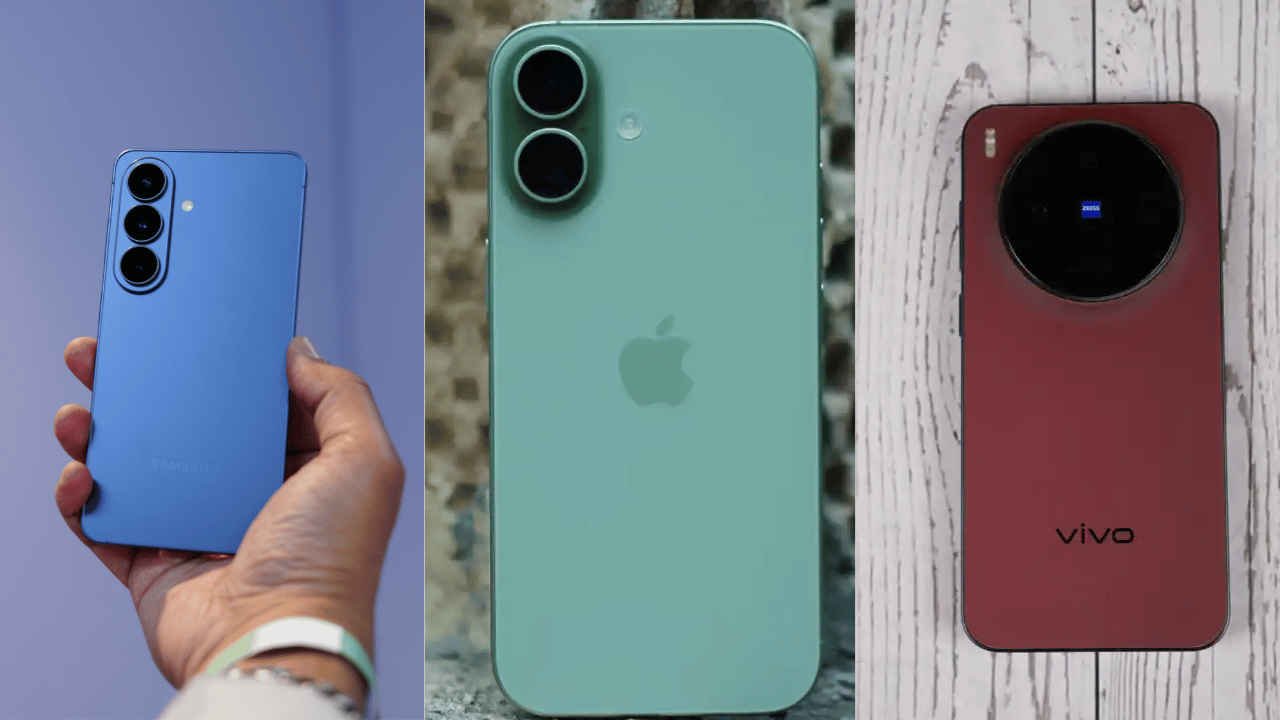
The premium smartphone market in India is heating up with the arrival of the new Vivo X300 FE, a device that is now directly competing with the Samsung Galaxy S26 and Apple iPhone 17. With all three brands targeting users who want flagship level performance, advanced cameras, and stylish designs, buyers are now comparing every feature carefully before making a decision.
Vivo has positioned the X300 FE as a feature packed premium smartphone with a strong focus on photography and display quality. The phone comes powered by Qualcomm’s Snapdragon 8 Gen 5 processor, while Samsung continues with its Exynos 2600 chipset inside the Galaxy S26. Apple, on the other hand, is relying on its latest A19 processor in the iPhone 17, aiming to maintain its reputation for smooth performance and software optimization.
Display quality has become one of the biggest deciding factors for buyers in the flagship segment, and all three devices offer high refresh rate screens. Vivo X300 FE features a 6.31 inch LTPO AMOLED display with 120Hz refresh rate support and extremely high peak brightness levels. Samsung Galaxy S26 includes a Dynamic AMOLED 2X display with a similar refresh rate, while the iPhone 17 offers Apple’s Super Retina XDR OLED panel designed for rich colors and balanced brightness.
Camera systems are another major highlight in this premium smartphone showdown. Vivo has focused heavily on photography by including a triple rear camera setup with a 50 megapixel primary sensor, ultra wide lens, and a periscope telephoto camera aimed at zoom photography enthusiasts. Samsung Galaxy S26 continues its balanced flagship camera strategy with optical image stabilization and dedicated telephoto support. Meanwhile, Apple is concentrating on image processing and detail enhancement through its dual 48 megapixel Fusion camera system.


Selfie cameras also show clear differences between the devices. Vivo leads the segment with a high resolution 50 megapixel front camera designed for detailed selfies and sharp video calls. Samsung sticks to a more traditional wide angle front camera setup, while Apple offers a refined front sensor optimized for portrait shots and video performance.
Battery and software experience are also influencing customer decisions in the premium category. Vivo X300 FE runs on Android 16 based OriginOS 6, while Samsung ships the Galaxy S26 with One UI 8.5. Apple continues its ecosystem focused approach with iOS 26 on the iPhone 17. Each platform offers a different user experience depending on whether customers prefer customization, simplicity, or long term ecosystem integration.
Pricing remains another important factor for consumers comparing these flagship devices. Vivo has priced the X300 FE aggressively in comparison to Samsung and Apple, making it appealing for users who want flagship specifications at a slightly lower price point. Samsung’s higher storage variants move closer to ultra premium pricing, while Apple continues to command the highest price tag among the three.
Design and weight differences may also influence buyers. Samsung’s Galaxy S26 is the lightest among the three devices, while Vivo offers a slightly larger and more camera focused build. Apple maintains its familiar premium design language with balanced dimensions and polished finishing.
Industry analysts believe the competition between Vivo, Samsung, and Apple is becoming stronger every year as consumers now expect flagship features across all brands. Buyers are no longer choosing phones based only on brand value. Instead, camera quality, battery performance, display experience, software support, and overall value are playing a bigger role in purchase decisions.
With all three smartphones offering premium hardware and advanced features, the final choice may ultimately depend on what users prioritize most in their everyday smartphone experience.